


Driving a rental car in Japan is easier than it sounds. The traffic is calm, the roads are in perfect condition, and driving on the left stops being an issue after half a day. The only real stumbling block is the paperwork. I will explain which document you actually need, how to get it, what matters when booking and driving on the left, and when a car in Japan is worth it at all.
Driving licence for Japan: which one you need
With a rental car in Japan this is the point where most road trips fall apart before they have started. Japan only recognises International Driving Permits issued under the 1949 Geneva Convention. If your licence comes from the UK, Ireland, the US, Canada, Australia, New Zealand or most other European countries, that is exactly the permit your motoring organisation issues, and you are fine. Get it at home before you fly, it is cheap and usually issued over the counter.
There is a second group though. If your licence was issued in Switzerland, Germany, France, Belgium, Monaco or Taiwan, an International Driving Permit does not help you, because those countries issue a different type. In that case you need an official Japanese translation of your national licence instead.
Licence translation: how to get one
The costs for the translation is approcimately 70 Euro. There are several authorized services where you can get it done:
- JAF conducted by Japan Experience: By mail, takes about 6 weeks
- In Germany the ADAC handles it
- Driving Japan: Pickup in Japan or by mail, takes about 5 weeks
Important: Without this document you will not get a car at the rental desk. They check it there, not just the police. And you always carry both, your national licence and the permit or translation. One without the other is worthless.
Processing time
Sort this out as soon as your flights are booked, not two weeks before you leave. The processing time is not the total time, you still have to add the post. If you do not manage it before you fly, you can also get the translation in Japan at a JAF office. That works, but it costs you at least a day of your trip.
One more thing: as a visitor you may drive on your foreign licence plus permit or translation for up to one year from your date of entry.
Booking a rental car in Japan
Once the licence is sorted, the rest is surprisingly straightforward. The big Japanese companies are Toyota Rent a Car, Nippon Rent-A-Car, Times Car Rental and Orix. They all have branches at the airports and at larger train stations. You can comfortably travel by train and then switch straight into a car.
What to look out for when booking
- Automatic is the standard.
- The sat nav is often in Japanese and cannot always be switched over. If you can, leave it out and use Google Maps instead. More on internet in Japan
- Add the ETC card for the expressway tolls. More on that below
- Small cars are not a disadvantage, quite the opposite. Japanese roads and car parks are narrow. Kei cars fit everywhere! Just check that your suitcases still go in.
- Full to full on the fuel is standard in Japan
- A deposit is usually not required
- An excess of up to 150,000 Yen in case of an accident is normal in Japan. Best to add the full insurance cover through the rental company.
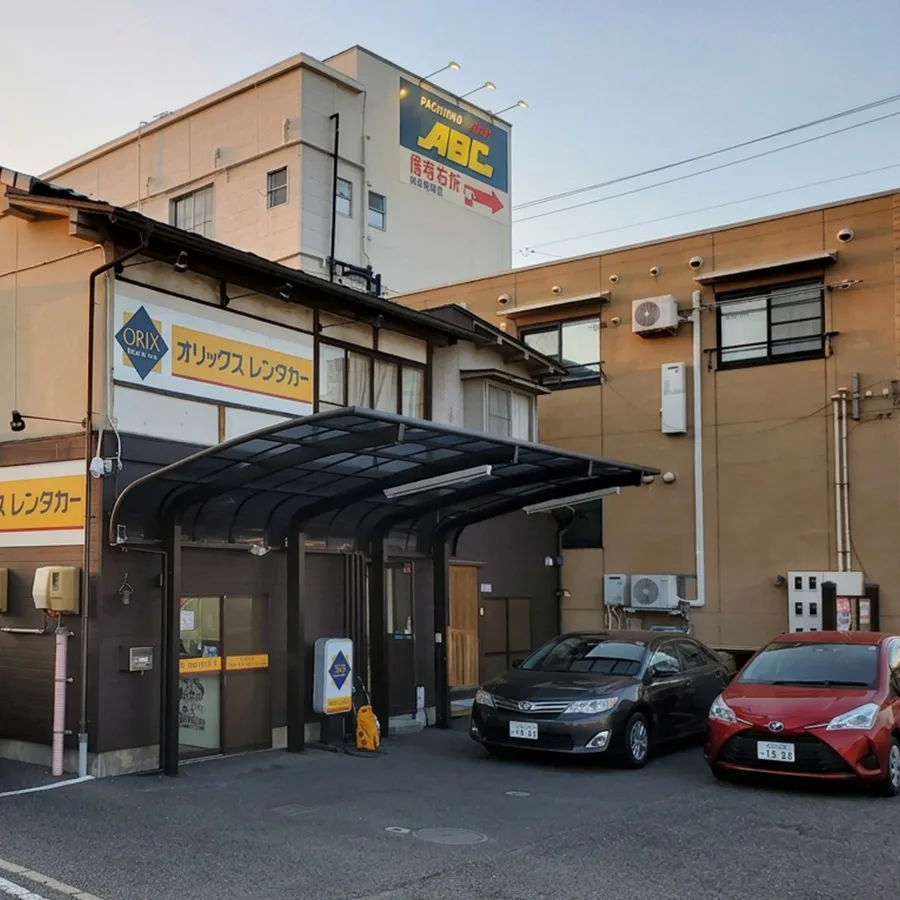
How it went for me
I have driven in Japan three times now. The companies were Orix, Toyota and Auto Europe, and I booked through the resellers billiger-mietwagen.de and klook.com. Handing over the rental car took less than 10 minutes every time. Sometimes you have to watch a video about the general traffic rules, sometimes you just read a sheet about what to watch out for while driving. Show your licence and the translation. Done. I never had to leave a deposit.
Driving on the left in Japan
Driving on the left in Japan is the one thing you have to pay a bit of attention to. Everything else about driving there is more relaxed than at home. Everyone drives very defensively, nobody tailgates, and the horn is basically never used. You get used to the gentle pace faster than you think. Three moments where it still catches you out:
- When you pull out of a car park, you slip straight back into your old habits. Keep telling yourself: drive left! Drive left!
- When turning onto empty roads you quickly end up on the wrong side
- Indicator and windscreen wiper. The stalks are swapped. You do not want to know how often I wiped the windscreen while turning!
And a little mental aid for turning: turning right in Japan is what turning left is at home. That is the one where you have to cross oncoming traffic.
Driving in Japan
Speed limits
The limits are lower than you are used to, but almost everyone sticks to them. That calmness in traffic is a core part of Japanese driving culture. This is how fast you may go:
- 50 km/h in built up areas
- 60 km/h on country roads
- 100 km/h on the expressway
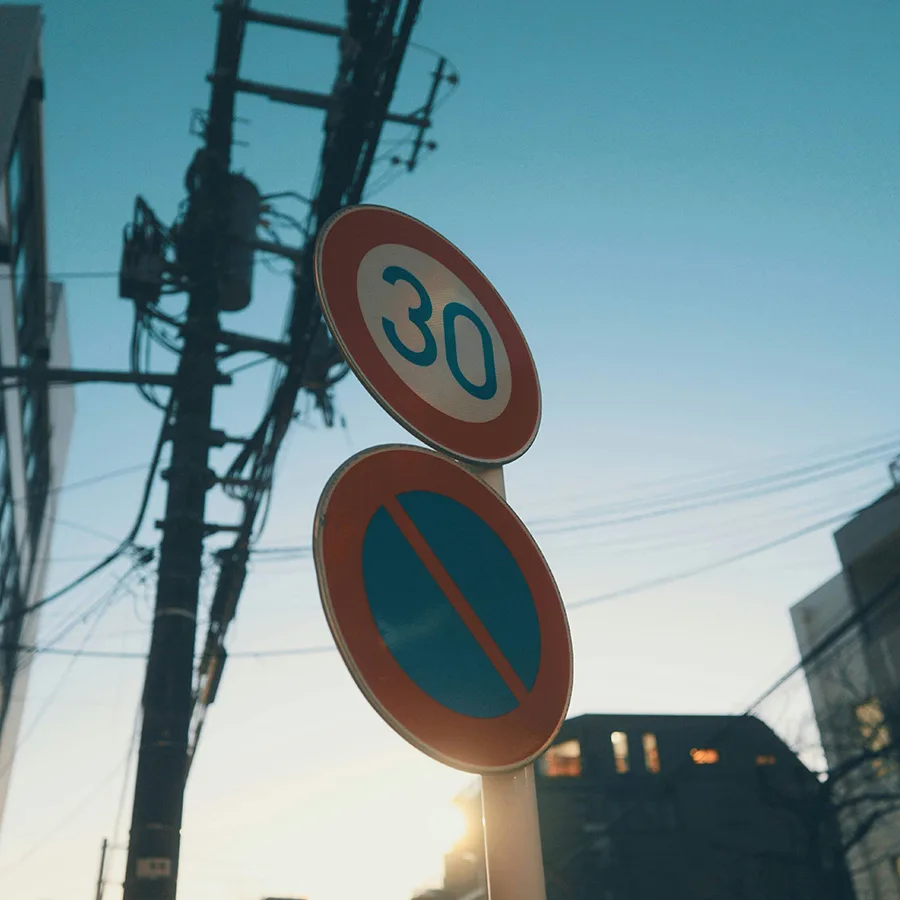
Zero tolerance on alcohol
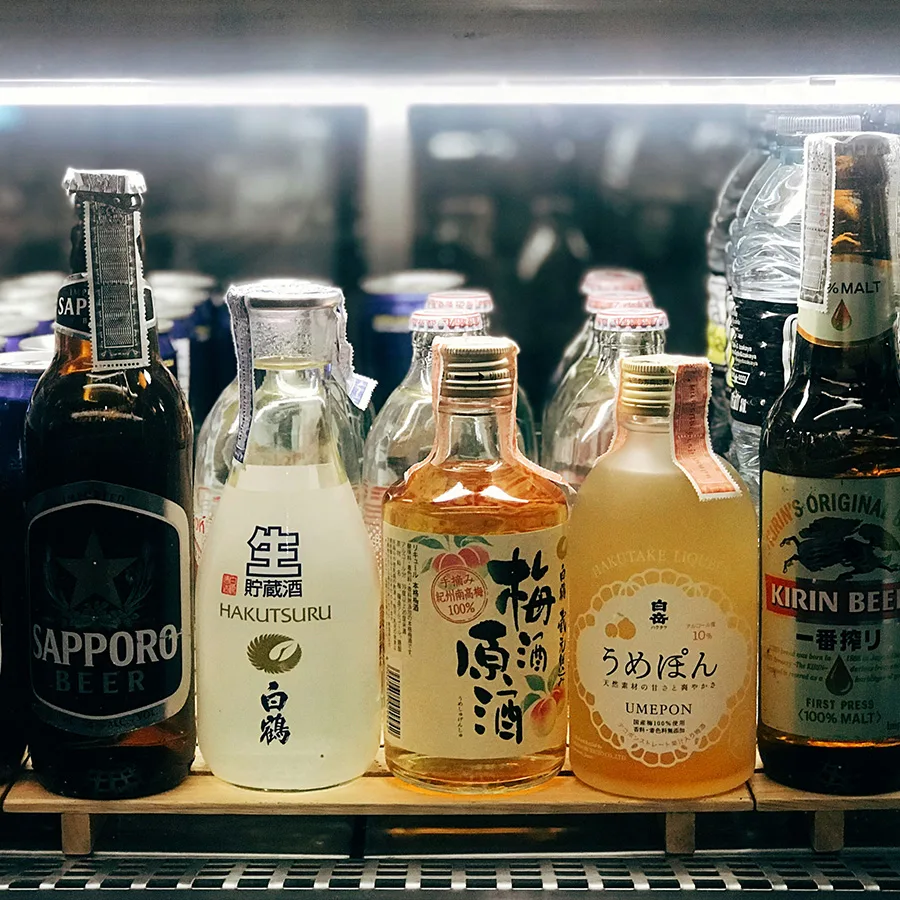
With alcohol things get very unpleasant very quickly in Japan. The police put it simply: never drive after even a drop. The legal threshold sits at 0.3 per mille, and above that you already face up to 3 years in prison and a fine of up to 500,000 Yen. From 0.5 per mille it is up to 5 years. And it is not only the driver who gets punished: whoever hands over the car faces the same penalties. So do not drink anything at all if you are driving, not even a small beer!
Tolls and the ETC card
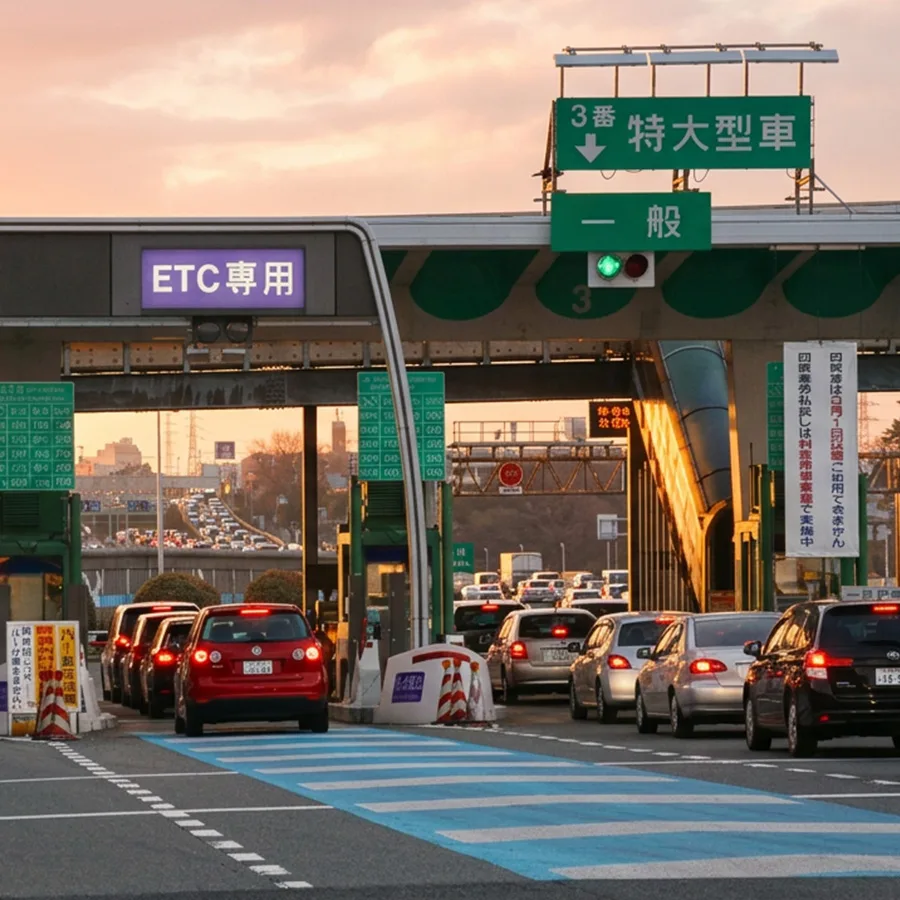
On Japan’s expressways you pay tolls, either electronically with an ETC card or in cash at the toll station. The ETC reader is already built into the rental cars, but you have to add the card itself when you book. The tolls are then settled in one go when you return the car. Do it, really. Without an ETC card you have to stop at every station and carry enough cash, because cards do not work everywhere. And then there are the Smart Interchanges. Those are expressway entrances and exits that only work with ETC. Without a card you will not get through the barrier and have to find another entrance. If you drive a lot of expressway, have a look at the regional expressway passes.
Traffic lights & stopping
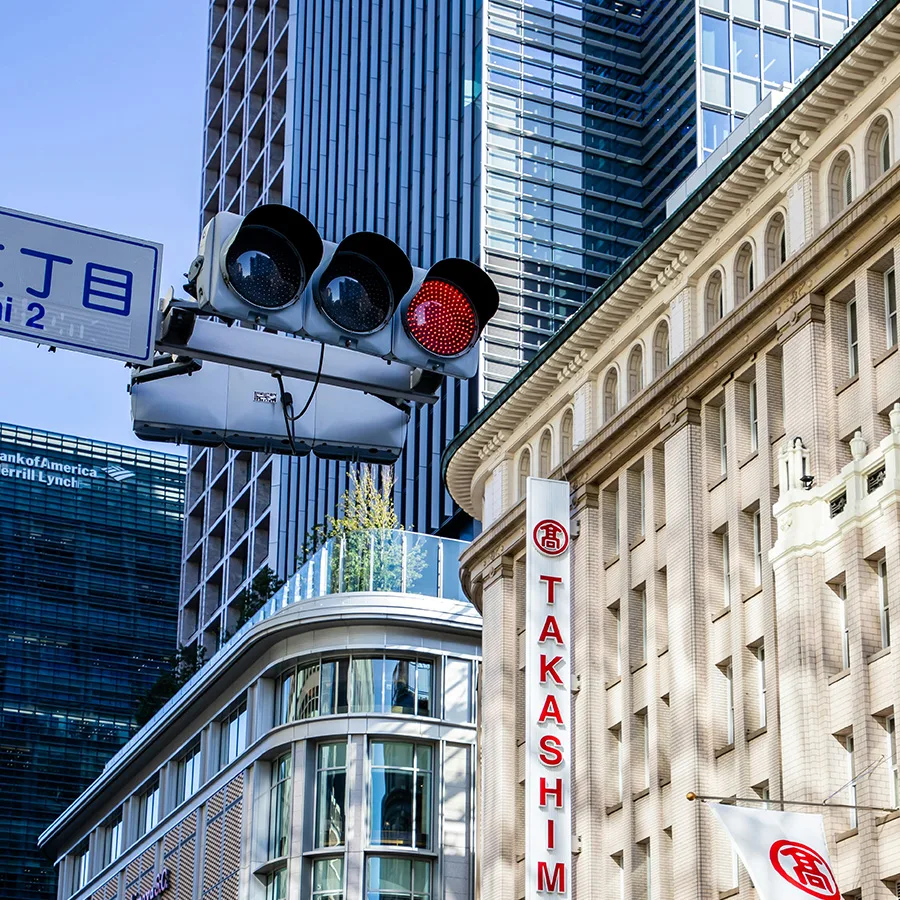
Two quirks that will confuse you at first. At junctions the traffic lights usually hang on the opposite side, not next to you at the stop line. And they are mounted horizontally instead of vertically. Fun fact: vertical traffic lights only exist in Hokkaido and Tohoku, so that snow cannot pile up on the hoods. You also have to stop briefly at every level crossing, as a rule. That applies even when the barriers are open. Stop signs (tomare) in Japan are triangular with a Japanese character on them. There is no priority to the right; instead the vehicle on the wider road has right of way, unless signs say otherwise.
Parking
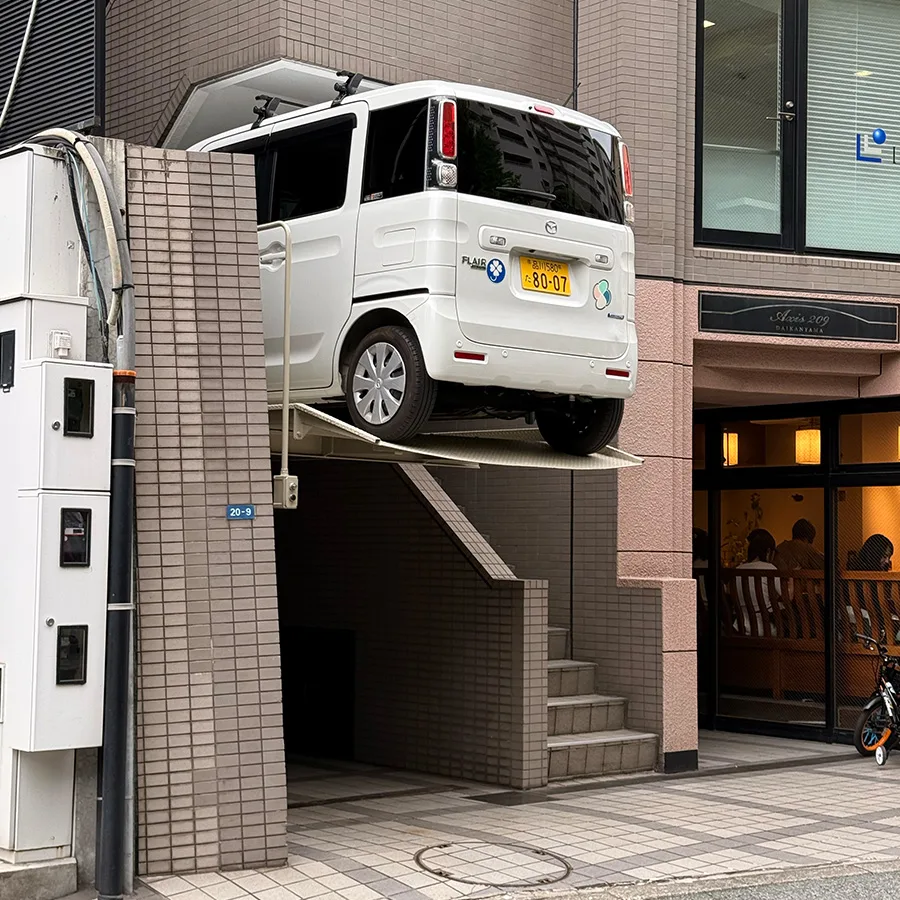
In Japan you park almost everywhere in dedicated car parks. Parking on the street itself is hardly ever possible. The most common type in town is the coin parking with a lock plate: you pull into a free bay and a plate then folds up underneath your car. When you want to leave, you type your bay number into the machine, pay, and the plate folds back down. There are also normal barrier car parks with a ticket, and prepay car parks at sights where you put a slip behind the windscreen. Prices: In the countryside you pay a few hundred Yen per hour and around 1,500 Yen for 24 hours. In cities the daily rate is more like 2,000 to 3,000 Yen. In Tokyo, 500 Yen for ten minutes is not unusual.
Road trip Japan: when a rental car pays off
That is the most important question, and the answer in Japan is fairly clear: it depends on where you want to go. For the classic first time route, so Tokyo, Kyoto, Osaka and the cities in between, you do not need a rental car. The Shinkansen is faster than any car, you travel from city centre to city centre and you never have to worry about parking. In the cities themselves a car would even be a burden: parking is expensive, the hotels charge extra, and the subway gets you everywhere faster. Work out instead whether the Japan Rail Pass is worth it for you. What such a route looks like is here: Japan itinerary for two weeks
When the rental car in Japan pays off
As soon as you leave the main route though, you often need forever with buses and trains. Most of the time the nicest stops lie between the places, and the bus runs three times a day. So a rental car is worth it for:
- Kyūshū, where the volcano, the coast and the onsen villages are far apart
- Hokkaido with its long distances and thin public transport
- Okinawa, where you would otherwise hardly get from beach to beach
- Mountain regions such as the Japanese Alps or the Noto Peninsula
My recommendation: Combine the two. Take the train to the region and pick up the car there. Give it back at the end of that leg and carry on by train. That is exactly why the companies have their branches at the stations. You only pay for the car on the days when it actually gets you something. That is how I have done it on every trip and it worked out great.
Insider tips
Plan the service areas as your lunch break
Service areas in Japan are not a last resort, they are a destination in their own right. Instead of stale hot dogs you get freshly cooked food, often with regional specialities from the prefecture you are driving through. If you move your lunch there instead of a restaurant in town, you usually eat better and save yourself the hunt for a parking space in the city.
Learn two words for the petrol station
At many petrol stations you still get served. You stay in your seat, wind the window down and say two things: regular for normal petrol and mantan for a full tank. That settles it. Self service stations are marked serufu, there you fill up like at home. Out in the countryside the stations are far apart and close early in the evening.
Check whether your hotel includes parking
In Japan hotel parking is almost never included in the room rate, and in the cities the spaces are very limited. Check before you book whether the hotel has its own spaces at all and what they cost per night. Otherwise you end up in a public car park around the corner and pay more for two nights of parking than for a day of rental.
Related posts
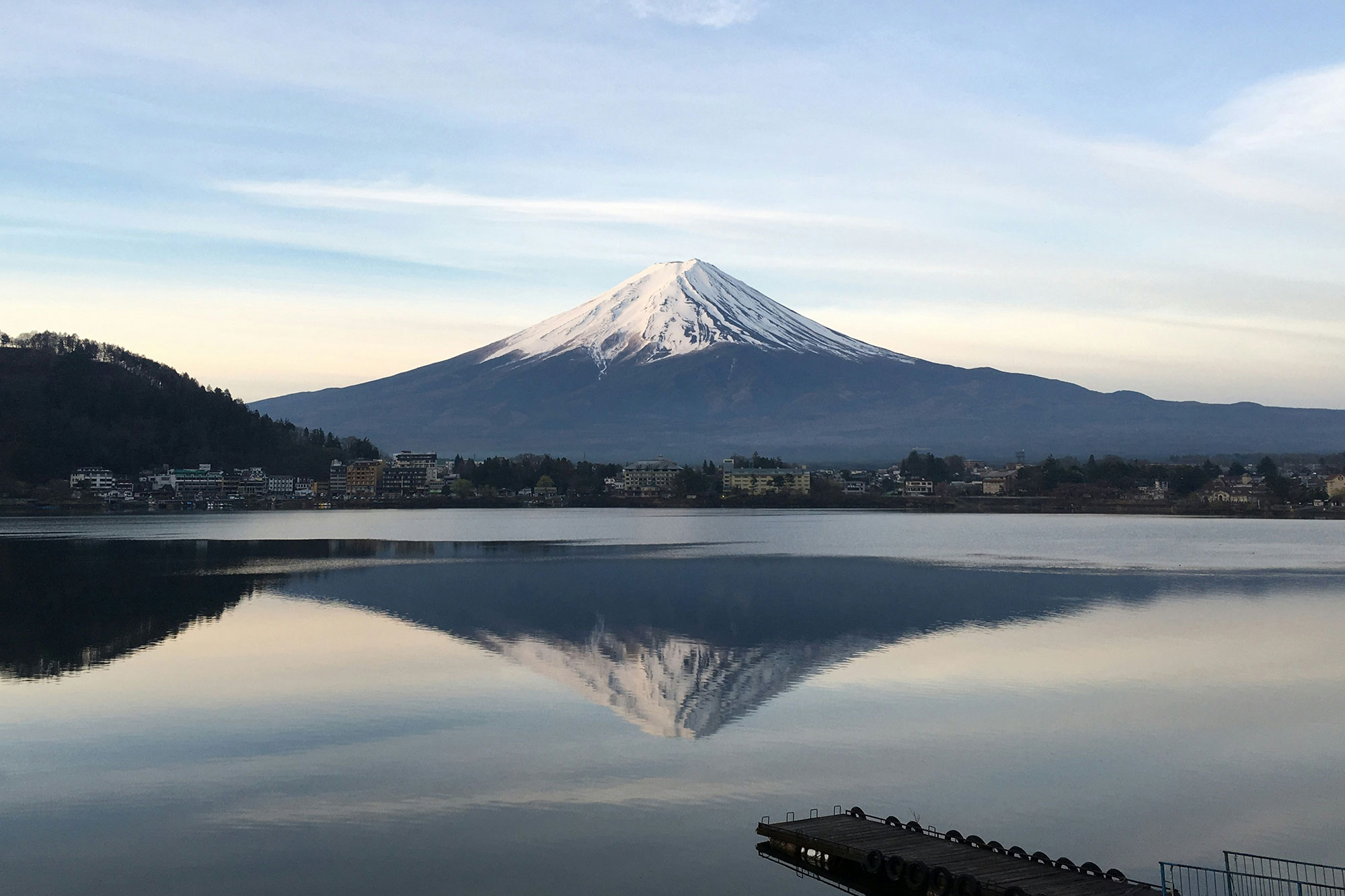
The first time in Japan
I can already tell you, it won't be your last time in Japan, because once you've traveled to Japan, you will come back again.
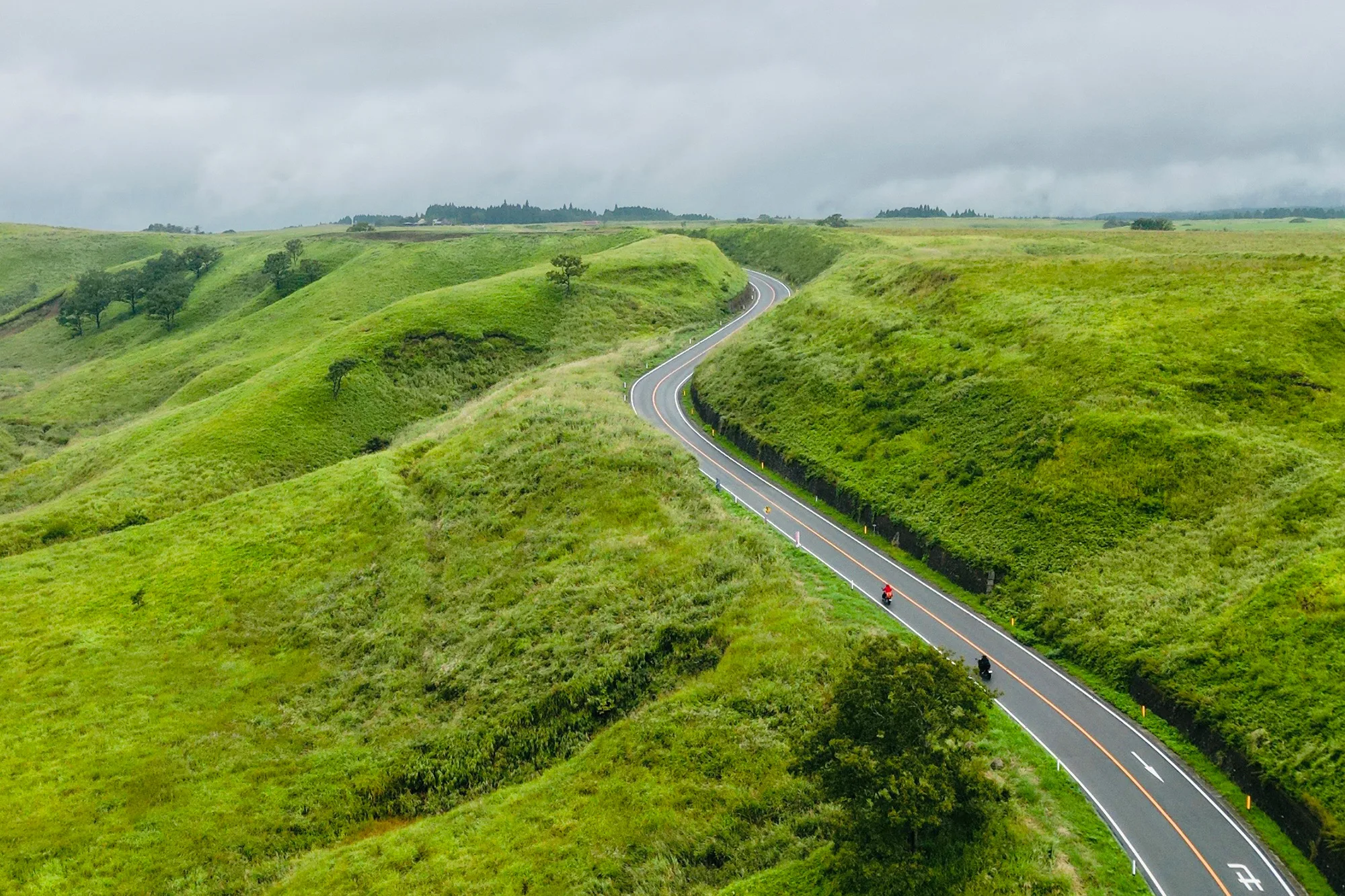
Kyūshū Road Trip on Japan’s Third Largest Island
Kyūshū Road Trip: all the stops with Fukuoka, Beppu, Mount Aso and Kumamoto in one week, including an onsen highlight
Japan Itinerary: 2 to 3 Weeks for Your First Trip
Japan Itinerary: Three options for your first trip from 2 to 3 weeks across Honshū, with Tokyo, Kyoto, Osaka, time per city and day trips

Japan Rail Pass for tourists
Is the Japan Rail Pass the best choice for traveling through Japan? Find all the information about ordering, costs, and procedures here.
Questions, tips or notes?
Write a comment or send me an E-Mail…