


In Seoul you can eat around the clock and that is exactly what makes the choice so overwhelming. Here are my five favourite addresses, among them a neighbourhood market without tourists and a tiny place that is in no guidebook.
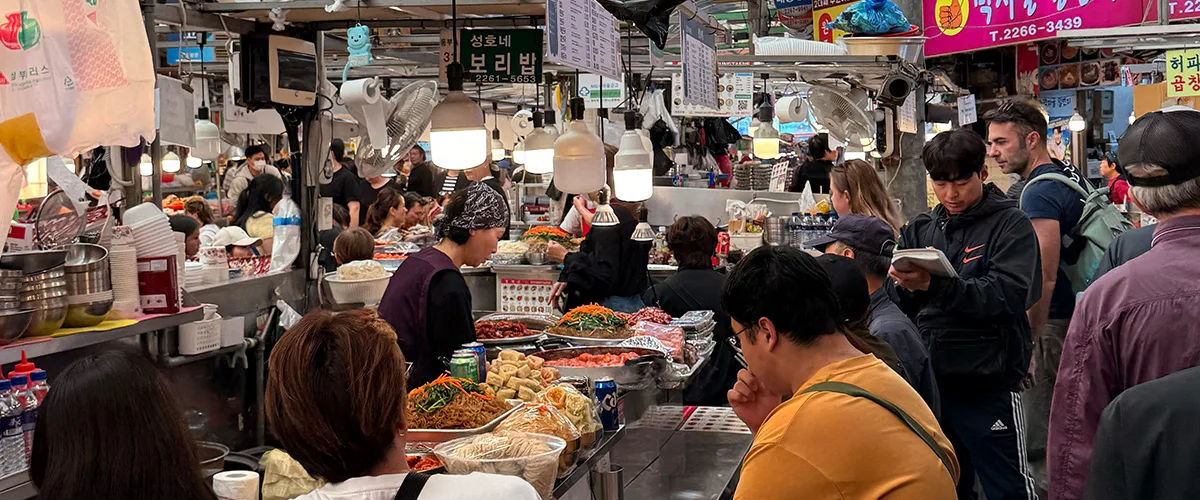
Gwangjang Market
The Gwangjang Market, which has been around since 1905, is the classic and a good starting point. It is one of the oldest continuously operating markets in the country. What you should try:
- Bindaetteok: The signature snack of the market. Mung beans fried up with bean sprouts, kimchi, spring onions and pork. Served with raw onion slices and a soy sauce with vinegar.
- Mayak Gimbap: Literally drug gimbap. The name says it all, because after the first one you cannot stop.
- Yukhoe: Raw, finely sliced beef with sesame oil, garlic and pine nuts on grated nashi pear. On top a raw egg yolk. Yummy!
The market became world famous through the Netflix series Street Food and social media, and it is packed accordingly. Many stalls only take cash. Unfortunately we had none, but in the end we were able to pay contactless with the phone. Do not count on that though, it depends entirely on the stall.
Location and opening hours
Jongno 5-ga (line 1), exit 7, or Euljiro 4-ga (lines 2 and 5), exit 4.
The food stalls are usually open daily from 8.30 am to 11 pm.
BBQ Quarter Jongno 3-ga (종로3가)
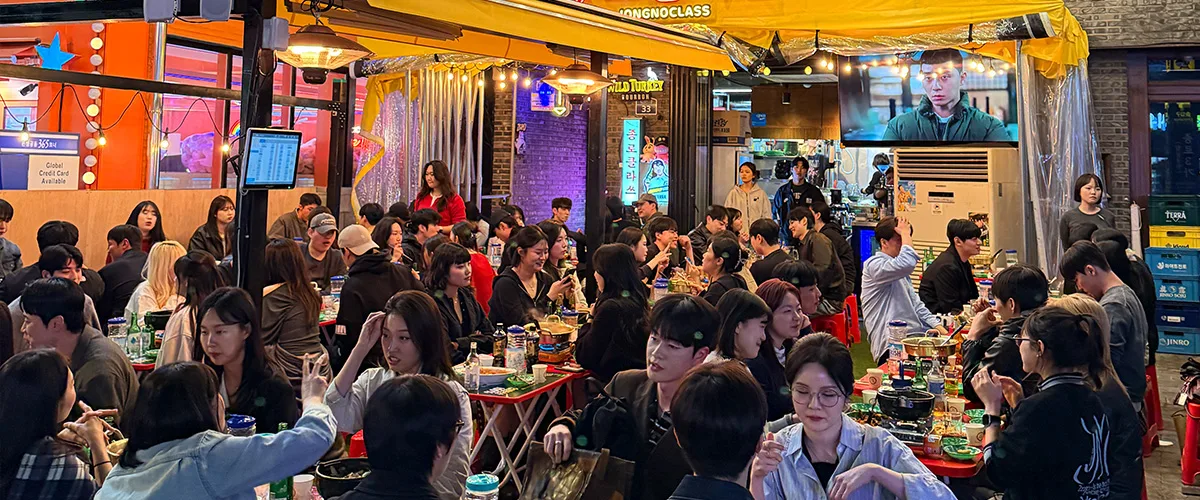
For Korean BBQ you do not need a restaurant chain. Behind Donhwamun-ro, named after the main gate of Changdeokgung Palace, lies one of the best BBQ quarters in the city: Jongno 3-ga. You come out of the station, turn around and you are right in the middle of it. The special part is sitting outside, in Korean yajang.
The grilling is done over charcoal, which is lit separately next to the restaurants. Once you have ordered, the waiter comes over with the hot coals and tips them straight into the opening in your table. It does not get more authentic than that. Depending on the spot, many places also put gas grills on the table.
Tip: Put the kimchi on the grill as well until it caramelises. So good with the meat! Order somaek with it, that is beer with soju.
Location and opening hours
Jongno 3-ga (lines 1, 3 and 5), exit 6. From there it is two minutes into the side alleys around Donhwamun-ro 11ga-gil.
Most places open in the late afternoon and stay open past midnight. Come before 6 pm, after that you will barely get a table outside.
Rain Report Gyeongridan Café
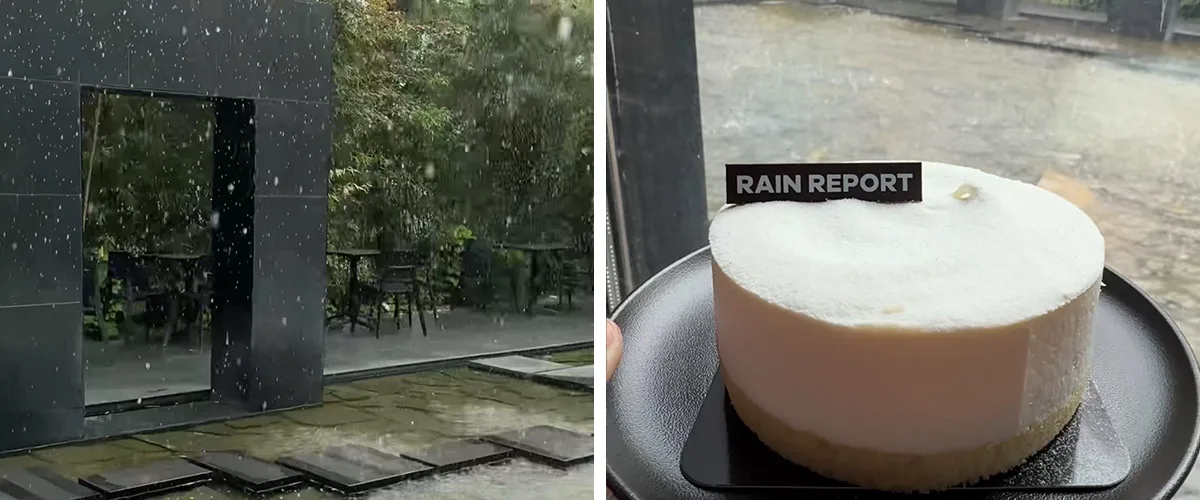
After market and grill you need something sweet, and South Korea has more than enough of that. Insta cafés as far as the eye can see. The Rain Report Gyeongridan Café is one of them too, but I found it so unusual that I have to mention it here. It is in Itaewon, in the middle of a residential area at the upper end of Gyeongnidan-gil.
In the courtyard a rain system is mounted on the roof that makes it rain every 15 minutes. No drizzle, but properly heavy rain. You are allowed to walk right into it. There are transparent umbrellas, rain jackets and rubber boots. That is exactly the reason the place went through the roof on social media.
Inside the café is very stylish too. It is kept almost completely black and has a huge panoramic window onto the courtyard. You sit in the dry and watch the rain outside. There is a seating landscape and lounge chairs right by the window, and one floor up there are more seats. Despite the hype it is surprisingly quiet inside.
The signature drink is called Sesame Cloud, a latte with black sesame. Among the desserts the Cloud Black Cheesecake and the strawberry souffle cake are the classics.
Location and opening hours
The easiest way is the subway to Hangangjin (line 6) and from there bus 405 to the Namsan Sports Center stop, the last few metres on foot. You can also walk the whole way up from Gyeongnidan-gil, but it goes properly uphill.
Open daily from 10:30 am to 8 pm.
The café sits right next to the Namsan Outdoor Botanical Garden, which is lovely for a stroll before or after your coffee. The park is free to enter and open around the clock: bamboo forest, planted flower beds, paved paths and natural trails next to them. There is even a barefoot path made of clay, with a washing station for your feet afterwards. From there you can also walk all the way uphill to the N Seoul Tower.
There is a second branch
In case you do not want to head up to Itaewon: in Ikseon-dong in Jongno there is the sister café Rain Report Rainbow, housed in a completely monochrome hanok. There a curtain of water falls from the edge of the roof into a basin at the entrance.
Mangwon Market
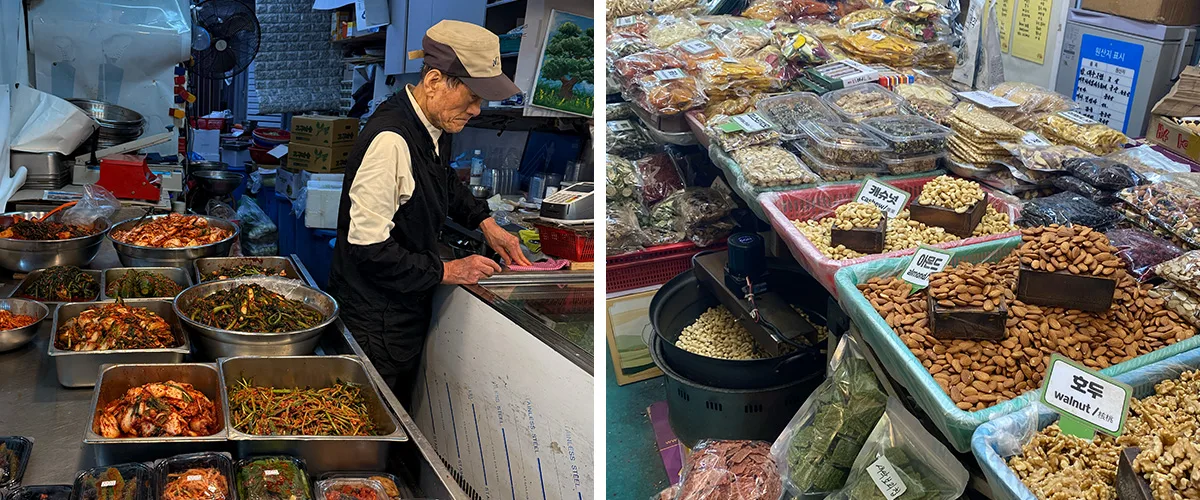
The Mangwon Market in Mapo is the counter programme to the Gwangjang Market. It is visited almost exclusively by locals and is considerably cheaper. This is where people from the neighbourhood buy their vegetables, and that is exactly why the trip is worth it. What you get here:
- Kalguksu: Noodle soup in the middle of the market. The noodles are made by hand here.
- Dakgangjeong: Deep fried chicken pieces in various sauces. The longest queue is here.
- Korokke: Korean croquettes filled with kimchi, japchae or cream cheese.
The Mangwon Hangang Park by the river is only a few minutes away. Buy a few things together at the market, gimbap, croquettes, fruit, and turn it into a picnic by the Han. You will hardly eat cheaper or better in Seoul. Right next to the market runs Mangridan-gil, a street full of small cafés and restaurants.
Location and opening hours
Mangwon (line 6), exit 2, then about five minutes on foot into the neighbourhood.
Open daily from around 9 am to 9 pm, it is busiest at the weekend.
Eolssu Together – my insider tip
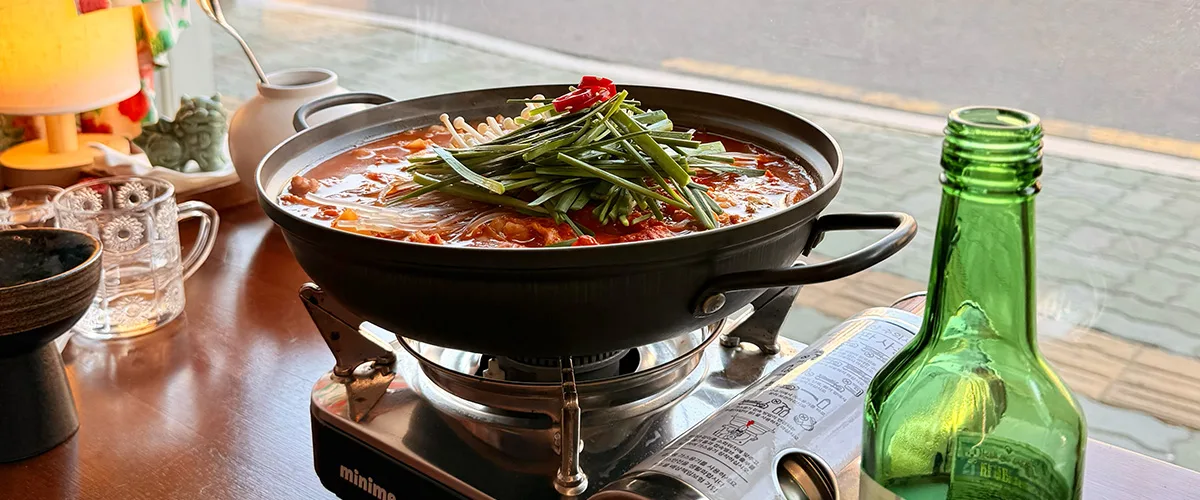
And now the place I am actually writing this article for. The 얼쑤 Eolssu Together is in Mangwon-dong, on a completely ordinary residential street, only a few minutes from the market. From the outside almost impossible to spot, inside tiny, a few tables and that is it.
It is what many people look for and rarely find. A real Korean restaurant with no English menu, no Instagram decor and no guidebook entry. The host is incredibly nice and takes care of every table personally. She explains with her hands and feet what she can make for you and is visibly pleased when somebody finds their way there from far away. You are basically sitting in somebody’s living room.
We had stew with pork and vegetables, I reckon it was kimchi jjigae, but nobody really knows. What is certain is that it was really good. We sat right by the window, watched the colourful goings on outside and enjoyed the stew on the gas burner at the table. Because it took a little moment, we also got a small bibimbap starter on the house. Price wise you are well below what you otherwise pay in Jongno.
Location and opening hours
Mangwon (line 6), from there on foot.
Lunch from 11.30 am to 2.30 pm, evenings from 5 pm and then until late into the night.
Practical tips
- Paying: At the big markets cash is still king, many stalls have no card terminal. In Mangwon and in restaurants the card works almost always. For the subway, buses and many market stalls the prepaid card is the easiest option, everything about it is here: Tmoney Card, prepaid card in South Korea
- Tipping: Does not exist in Korea. You pay the price on the menu, usually at a machine or at the till on your way out.
- Eating alone: In small restaurants and at BBQ many dishes are designed for two people. At the markets that is no problem, there everybody eats on their own at the stall.
If Korean cuisine has got you hooked, cook it at home: Kimchi-Jjigae, the Korean stew
Related posts
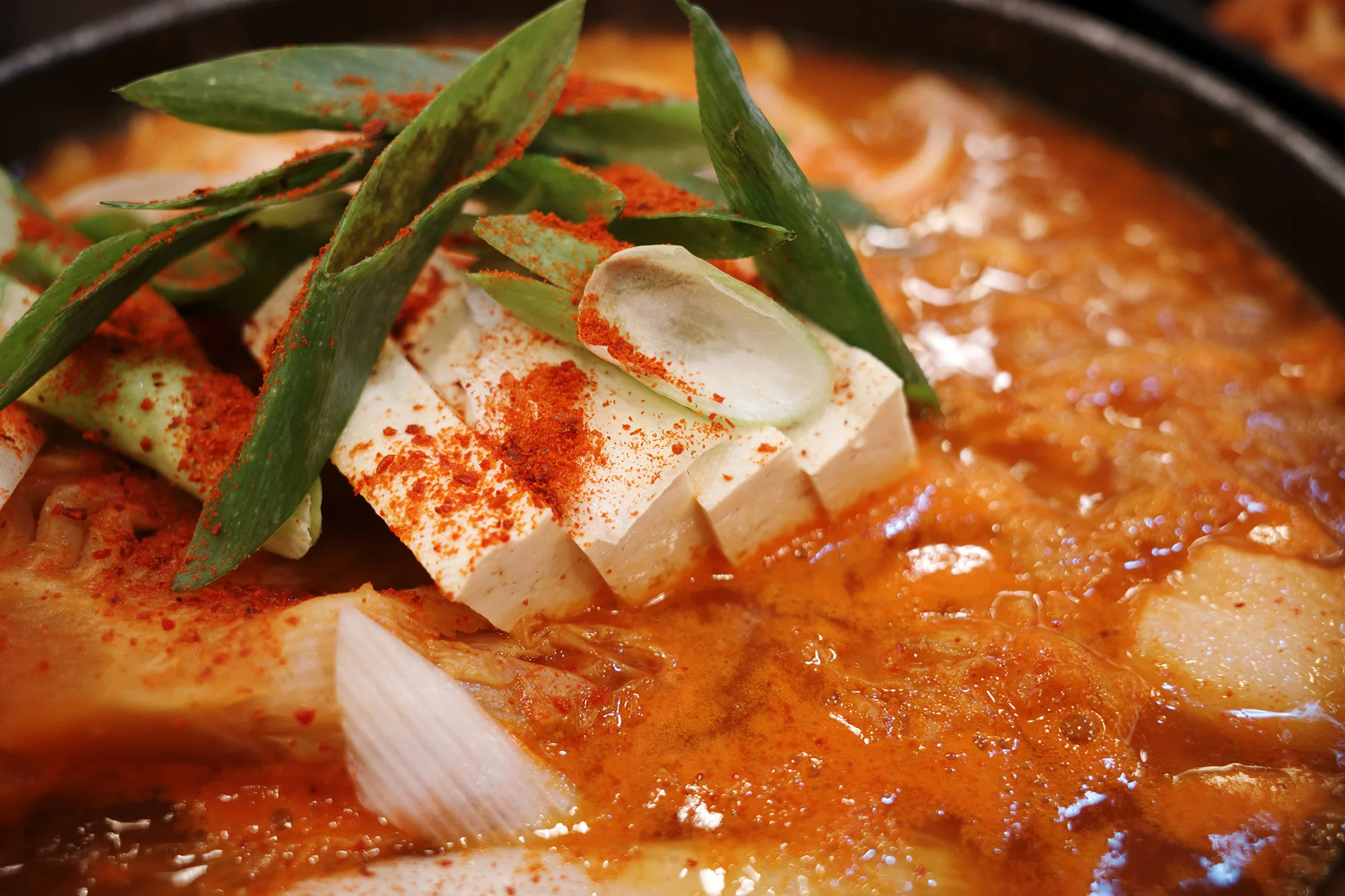
Kimchi-Jjigae – The Korean Stew
Kimchi-Jjigae is Korea’s most warming stew: ripe kimchi, thinly sliced meat and tofu. Here is how to cook the classic at home in 30 minutes.

Okonomiyaki – Japanese soul food for your home
Discover Okonomiyaki, the savory soul food from Japan! Here's how you can easily make this Japanese classic at home. Perfect for foodies!
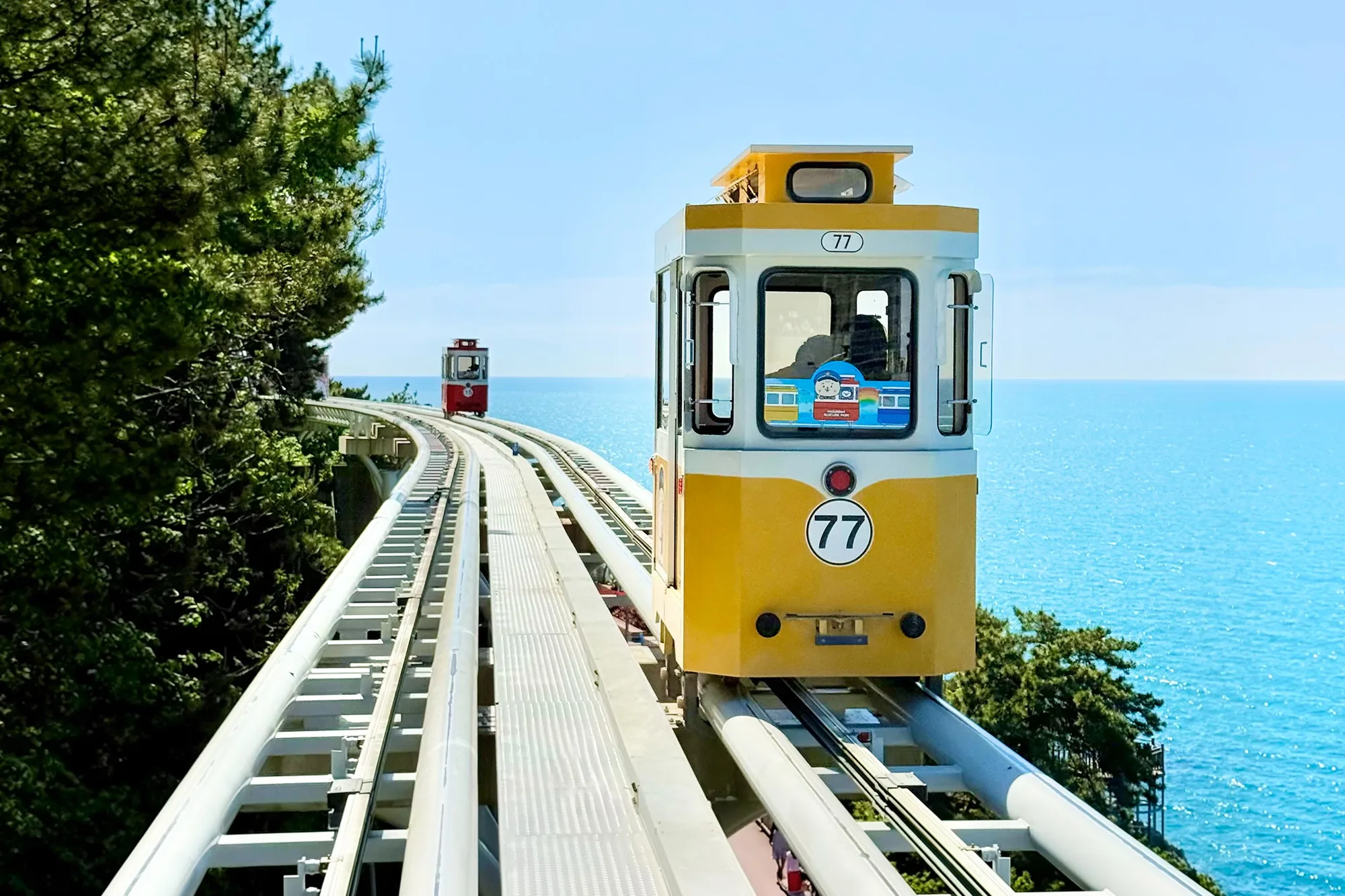
Sky Capsule Ride – Busan’s most beautiful train ride
Sky Capsule in Busan: which direction to book, how to get tickets, the difference to the Beach Train and my suggestion for the perfect day.
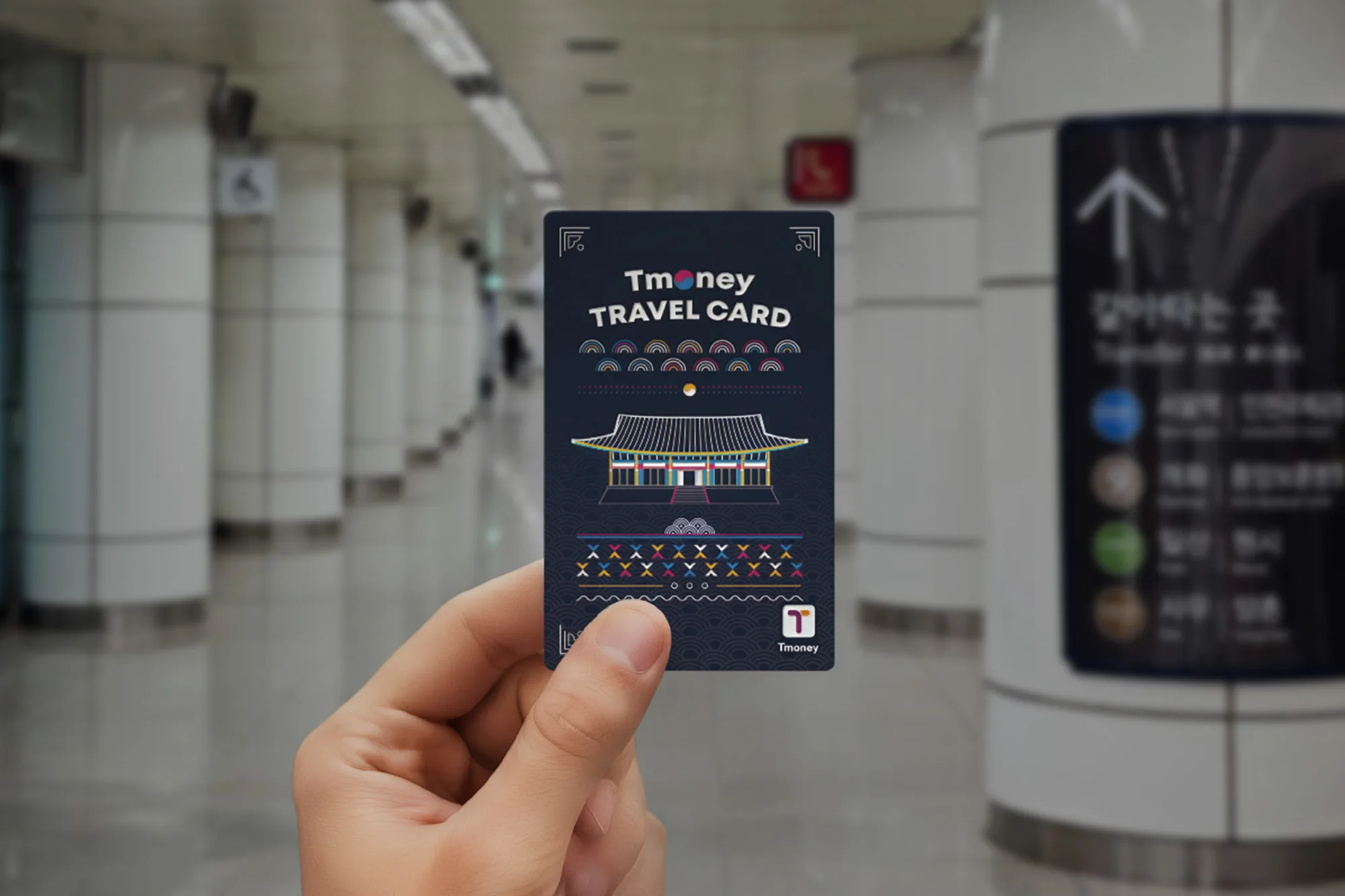
Tmoney Card – Prepaid Card in South Korea
The Tmoney Card is South Korea's prepaid card for buses, trains and paying in shops. How to get it, top it up and use it - including on your iPhone.
Questions, tips or notes?
Write a comment or send me an E-Mail…