


“Japan? That’s totally unaffordable!”
How often have you heard this sentence when telling friends about your travel plans? Probably every single time. Japan stubbornly holds onto its reputation as the land of 100 € melons and sinfully expensive sushi dinners. And yes, if you want to, you can certainly blow a fortune in Tokyo in a single evening. But here comes the truth that many don’t have on their radar: Japan is no longer the unaffordable luxury trap that many consider it to be.
Here are my best tips on how to enjoy the Land of the Rising Sun without giving your bank account a heart attack.
Booking flights – but cheaply
Let’s not kid ourselves: The flight is almost always the biggest chunk of the bill. Direct flights (e.g. with Lufthansa, ANA, or JAL) are extremely comfortable but quickly break the 1,000 € mark. But here lies your biggest savings potential for a budget Japan trip: If you accept a stopover, prices tumble massively.
- The Dubai Option: Many travelers swear by flights via the Middle East (e.g. with Emirates via Dubai or Qatar Airways via Doha). You have a stop, but the service is top-notch, and you often find connections well under 1,000 €.
- The China Price Smasher: If you are really looking for the absolute rock-bottom price, look for connections via China (e.g. Air China, China Eastern). Here there are regular offers for 600 to 800 € – sometimes even cheaper.
My tip: Use comparison portals and be flexible with the date. A flight on Tuesday or Wednesday is often hundreds of Euros cheaper than on the weekend.
Hotel pro tip
When it comes to booking, most Europeans automatically look at Booking.com. Mistake! For Asia – and specifically Japan – Agoda is often the better choice. The platform frequently has deals and allotments you won’t find elsewhere, and is often more aggressive with pricing.
But be careful when booking:
- The Size Check: Don’t be blinded by the price, look at the square footage! Standard single rooms in Japan often have only 11–13 sqm, double rooms 16–18 sqm. That’s doable, but quickly feels like a prison cell where you can only open your suitcase on the bed. My advice: Search specifically for rooms from 18 sqm. This often costs only minimally more but saves your peace of mind.
- The Breakfast Trap: Look at the hotel pictures of breakfast closely. Do you only see a wrapped sandwich and a coffee cup there? Then that’s not a modest selection, but often everything there is. Save the surcharge! For that money, you can get a royal breakfast at the café next door or at the Konbini, instead of listlessly chewing on toast at the hotel.
Lifesaver Konbini
Please forget everything you know about gas station sandwiches in Europe. In Japan, the Konbini (like 7-Eleven, Lawson, FamilyMart) is a holy institution. If you save money here, it doesn’t mean you’re eating trash – on the contrary. What many don’t know: The quality is so extremely high because the food often does not fall out of giant industrial machines. Many of the bentos, onigiri, and side dishes are freshly prepared by small, local businesses and regional kitchens and delivered to branches several times a day (!). Nothing sits around for days here.
For under 5 €, you get meals here that taste almost like mom’s cooking. Perfect for your budget Japan trip:
- Fresh Onigiri: Crispy nori sheet, perfectly seasoned rice.
- Warm food at the counter: The Famichiki (fried chicken) or the Oden stews are kept hot right in the store and are legendary.
- Regional specialties: Depending on where you are, you’ll find products from local farmers or bakeries from the neighborhood on the shelf.
My tip: Grab a bento and sit in the nearest park – that is often more idyllic (and much cheaper) than any restaurant. But Konbinis can do even more. Feel free to check out this post Luggage storage at 7-Eleven in Japan
Ramen – Fast food at a gourmet level
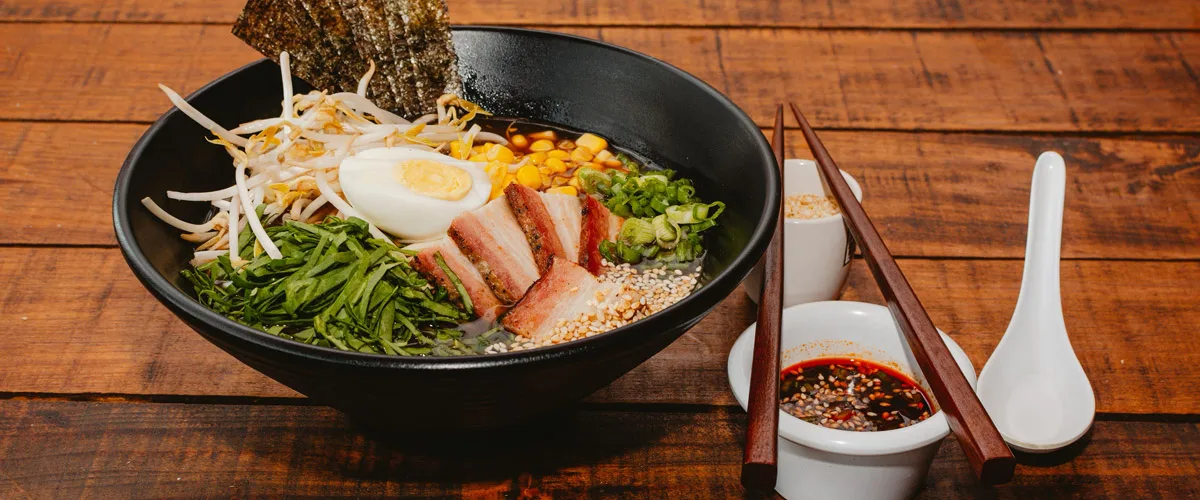
Since we’re on the subject of food: You cannot leave Japan without experiencing the ramen culture. Whether in a hidden alley in Tokyo or at the station in Osaka – a steaming bowl of noodle soup almost never costs more than 800 to 1,200 yen (approx. 5–8 €). The best part? It makes you incredibly full and happy.
The Ordering Hack
Don’t be scared off if you see a vending machine with lots of Japanese buttons at the entrance. That is the standard ordering system! And here’s how it works:
- Press the button with the ramen of your choice. Often there are pictures, otherwise just take the button at the top left – that is usually the house bestseller.
- Insert money. Mostly the machines only work with cash or IC Card.
- Take out the ticket and give it to the chef.
- Slurping allowed and encouraged! But it takes some practice, otherwise you’ll choke or splash everything.
It is probably the most honest, cheapest, and tastiest meal you can get in Japan.
Tax Free Shopping – Update November 2026
Saving money does not mean you are not allowed to buy anything. As a tourist you get the tax back in a great many shops as soon as you spend at least 5,000 Yen (about 30 Euro) before tax, per shop and per day. That applies not only to electronics but often to clothes or skincare too.
Since November 2026 the tax is no longer deducted at the till. You pay the full price, show your passport and claim the 10% back later (8% on food). You have 90 days from the purchase to do that.
How do I get my money back?
The money does not come from customs, it comes from the shop itself. Each shop decides which routes it offers. Often you register at the time of purchase, for example through a QR code on the receipt. Possible options are:
- Credit card or bank transfer: The money only arrives after you have left the country.
- Payment services: Some shops refund through PayPal, Alipay or WeChat Pay
- Cash at the airport: Only in Yen, and only if the shop is connected there
- Cash in the city: Global Blue pays out before your departure at eleven Yodobashi Camera branches and at Laox Ginza, among others. Global Blue charges a fee for this.
Ask about the fee at the till, because some shops keep part of the refund. Don Quijote, for example, charges one for a cash payout at the airport.
Where do I get the refund?
At the tax free kiosk at the airport, before you check in your suitcase. You cannot get checked baggage back for the customs check, so all of your tax free purchases still have to be with you. They may sit in your suitcase, ideally right at the top. Online check in or hand luggage only changes nothing about this: you still go to the tax free kiosk with your luggage first.
At the tax free kiosk you scan your passport. On green you are done and can drop off your suitcase straight away. On red you show customs your purchases in the inspection area. If anything from the receipt is missing, a snack you have eaten for instance, the refund for that entire purchase is void!
At Haneda Airport you will find the tax free kiosks here:
- Terminal 3: The kiosks are in the middle of that side of the hall, by the escalators and the lift. The customs check for red is at the end of the hall.
- Terminal 2, international area: The kiosks and the customs check sit next to each other at the end of the hall, by the toilets.
- Terminal 1: There are no kiosks here.
The exact locations are shown on the map from Japanese customs.
Instead of the machines you can also use Visit Japan Web from your arrival on your phone. Connect to the customs wifi Customs_WiFi_For_TaxRefund (password jcustoms), log in and tap Refund procedures. Then check your purchases and tap Confirm. If Not Completed appears, take your purchases to the inspection. Visit Japan Web only works at Narita, Haneda, Kansai, Chubu, Fukuoka, New Chitose and Naha.
My tip: Allow more time at the airport. The scan only takes seconds, but a check on red takes considerably longer!
Transport hacks
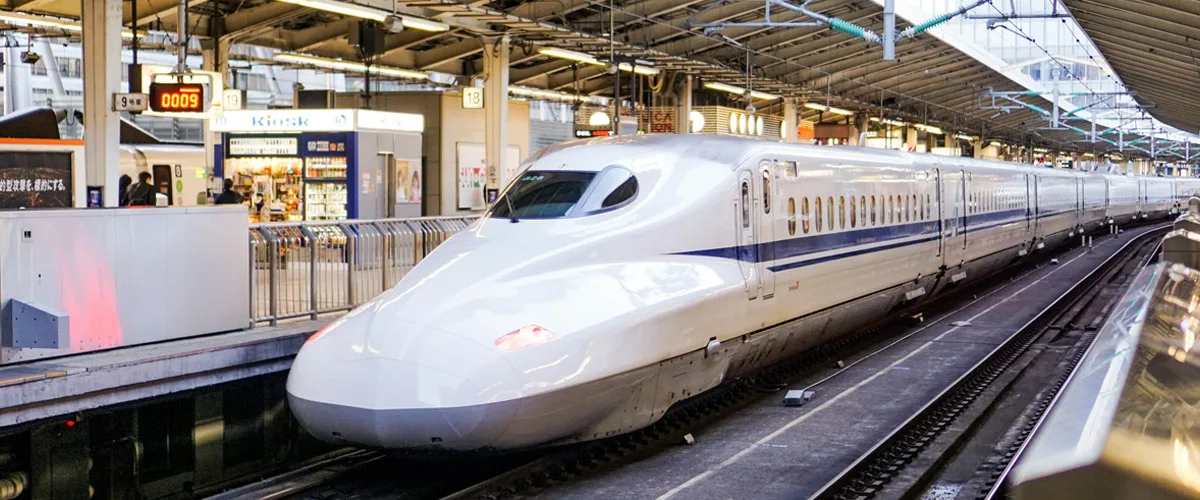
Formerly, the Japan Rail Pass was a no-brainer for every tourist. Since the price increase a few years ago, however, it is often only worthwhile if you really want to travel a lot throughout the whole country. Because at nearly 300 € for 7 days (450 € for 14 days and nearly 600 € for 3 weeks), it can blow quite a large hole in your wallet.
For a budget Japan trip, you should calculate your route online beforehand. Often it is cheaper to buy single tickets for the Shinkansen or to use domestic flights (search for “Explorer Fares” for foreigners) for longer distances. In metropolises like Tokyo, the rule is anyway: Walk as much as you can or use the cheap subways.
But don’t panic
Transport in Japan is generally surprisingly cheap and extremely efficient.
- Public Transport: Anyone used to prices in Munich, Berlin, or London will weep tears of joy in Tokyo. A subway ride across the huge metropolis often costs only the equivalent of 2 €. The trains are clean, air-conditioned in summer, and punctual to the second.
- IC Card on mobile: Get a Suica or Pasmo card directly in your Apple Wallet (or as a physical card). With it, you simply check in and out at the gates via tap. The system automatically calculates the cheapest fare. No zone confusion, no stress. You can find more about IC Cards here: Suica, PASMO and ICOCA – Prepaid cards in Japan
- Night Bus: Want to go from Tokyo to Kyoto? The Shinkansen costs approx. 90 €. A comfortable night bus (e.g. Willer Express) often costs only 30–40 €. The kicker: You also save on a hotel stay! The seats are often much more comfortable than in European buses, sometimes even with a privacy hood.
Beware of cost traps!
Fruit as a luxury good
In Japan, fruit is often a gift and not a snack. A single melon for 50 € or strawberries for 20 € are not uncommon in department stores. If you need vitamins, buy bananas at the Konbini or go to normal supermarkets and not those in the basement of expensive department stores!
Taxis in Tokyo
The drivers are polite and the doors open automatically – cool, right? But the taximeter runs faster than your heartbeat. For distances you travel in 20 minutes by train for 2 €, you quickly pay 30–40 € in a taxi. You can find more info about taking taxis in Tokyo here: Taking a taxi in Tokyo
Izakaya Touts
In nightlife districts like Shinjuku or Roppongi, guys often speak to you on the street and promise “cheap drinking”. Keep walking! That is the classic tourist trap. In the end, you pay absurd “seating fees” (Otoshi) and service charges. Rather go to places where locals are already sitting, or look for something on Google Maps.
Currency conversion
It’s best to always withdraw your money at 7-Eleven ATMs (7-Bank), they are reliable. But the most important rule: If the machine asks “Charge in Euro or Yen?”, ALWAYS choose YEN! If you choose “Euro”, the bank determines the exchange rate, and that is often miserable. Your home bank calculates much more fairly back home.
Data Roaming
If you’re European, turn off your internet as soon as you sit in the plane! Japan is not an EU zone. A few megabytes of Google Maps can cost you hundreds of Euros. Get an eSim beforehand for little money. You can find more about that here: Internet in Japan – SIM card or eSIM?
Related Travel Tips
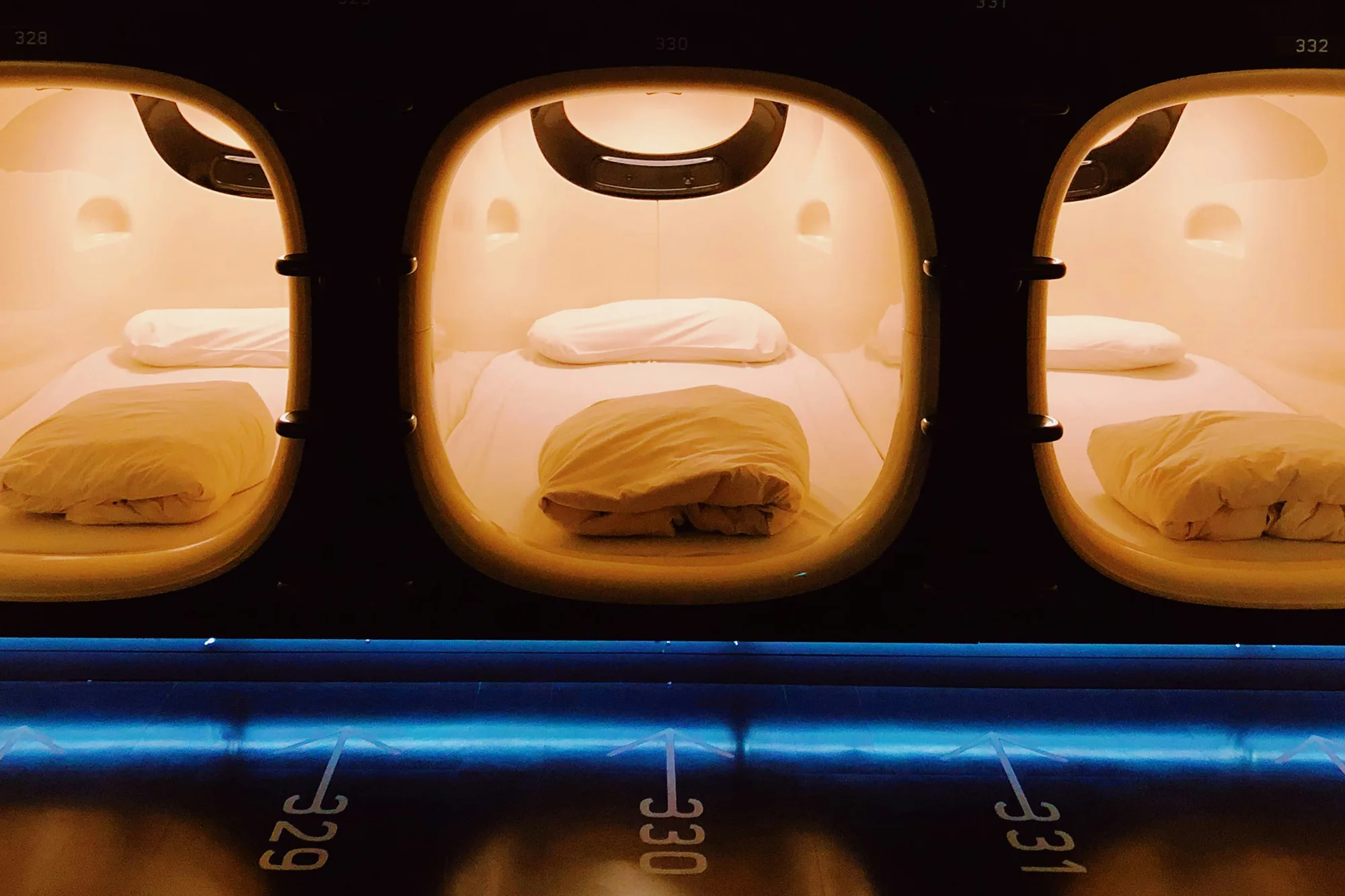
Capsule Hotel in Tokyo: Low Budget Accommodation in Japan
Capsule hotel in Tokyo with costs, how it works, what to watch out for when booking and my honest experience of a low budget night in the capsule
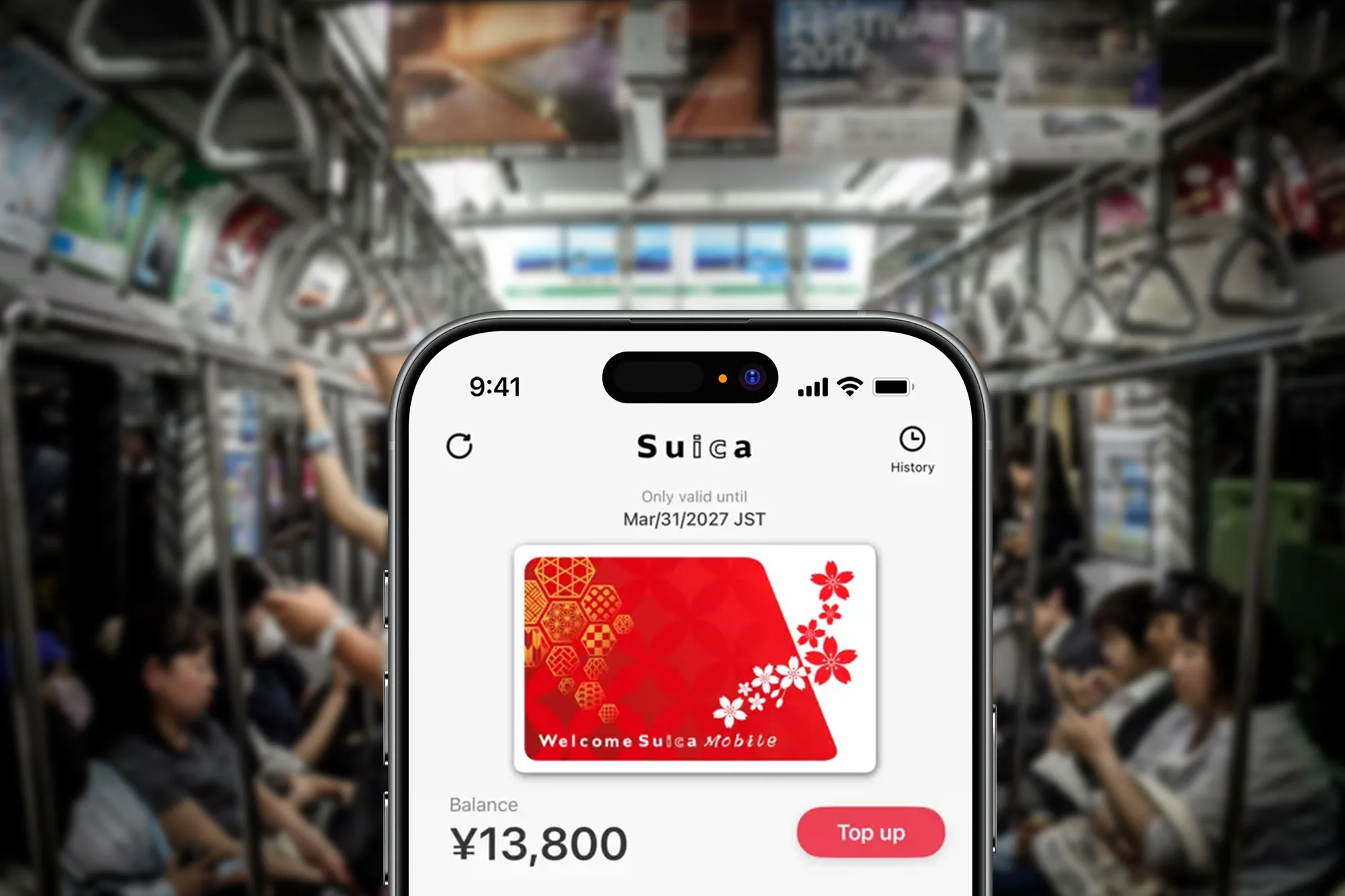
Japan Prepaid Cards 2025 – The Welcome Suica Mobile App
All the benefits, features, and whether the digital Suica prepaid card is worth it for your trip to Japan.
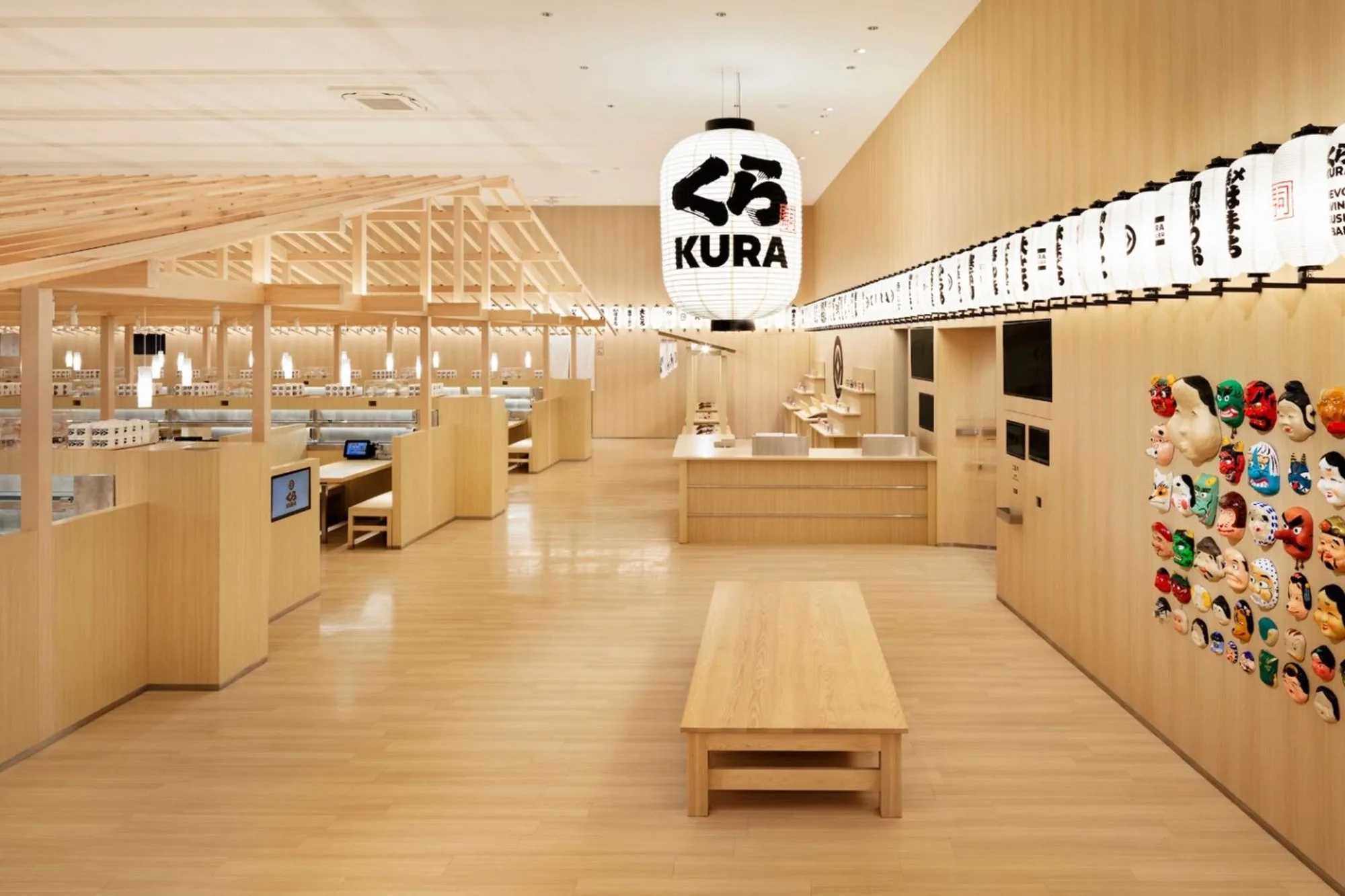
Kura Sushi – Running Sushi in Japan and USA
Delicious Running Sushi, huge selection & a fun plate game! Find out how to make reservations and avoid long wait times.
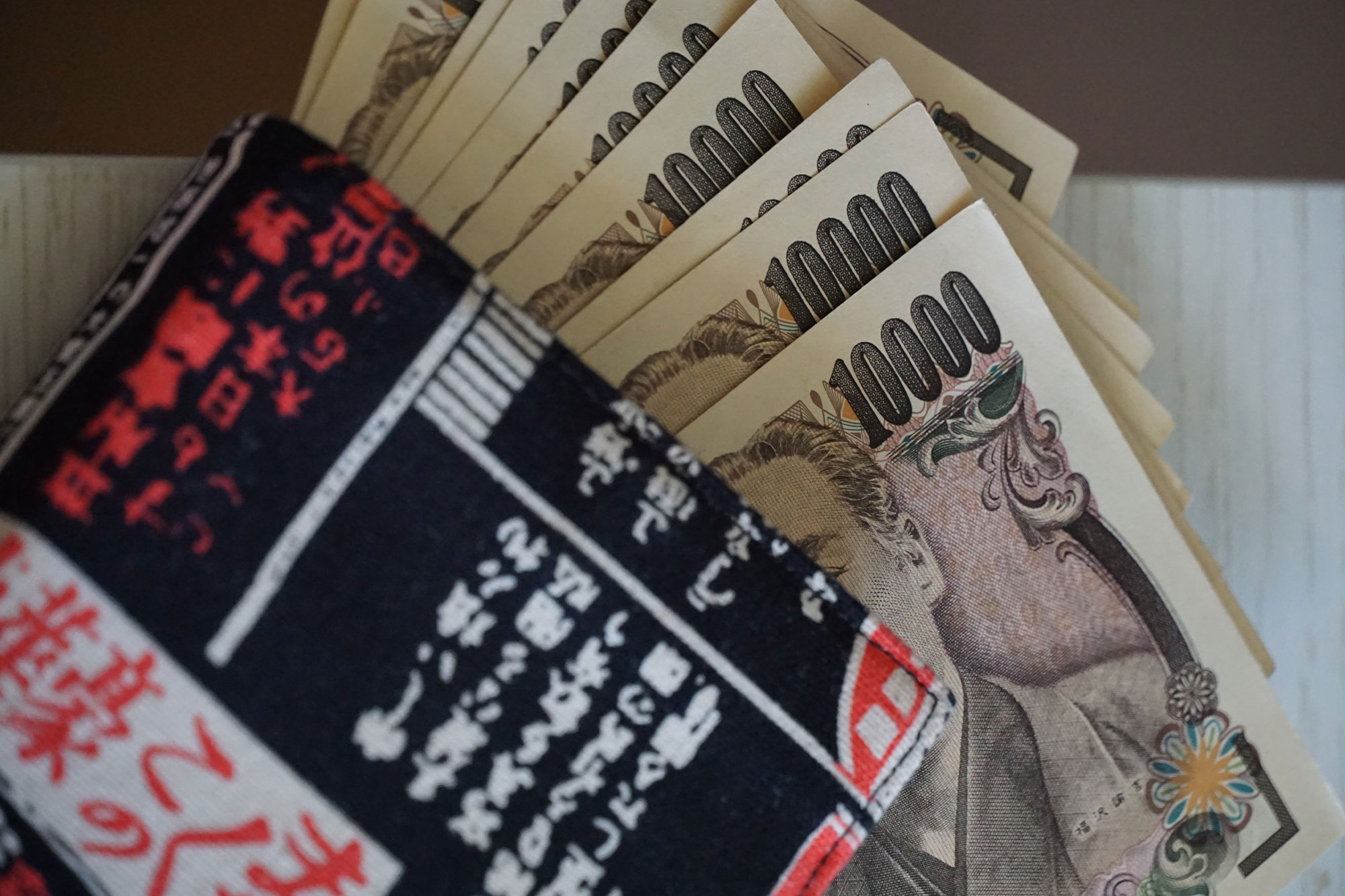
Pay in Japan
In Japan, cash is still the preferred payment method, especially in rural areas. In Tokyo, it’s a different story. Here, almost everything can be paid for with a card.
Questions, tips or notes?
Write a comment or send me an E-Mail…