


The cherry blossom in Japan is the reason why half of Europe goes looking for flights at the same time every spring. Yet the blossom only lasts about a week in any one place, and the exact date is not certain until a few weeks before. Here you will find when the sakura blooms in which region, how the forecast works and who you can trust, where the finest spots are and how to plan your trip without the blossom vanishing right before you get there.
When is the cherry blossom in Japan?
The short answer for the classic route Tokyo, Kyoto, Osaka: late March to early April. The season starts in January on Okinawa and ends in early May on Hokkaido. If you are flexible, you can catch the blossom somewhere in Japan across a span of three months.
Kaika and mankai: the two dates that matter
Two Japanese terms turn up in every forecast. For each region the weather service watches one designated reference tree of the Somei Yoshino variety:
- Kaika is the opening of the blossom: five to six flowers are open on the reference tree
- Mankai is full bloom: at least 80 percent of the buds are open
Depending on the region, five to nine days lie between the two. For planning a trip, mankai is what counts, not kaika. Turn up on the kaika date and you will be standing in front of trees with six flowers on them.
How long does it really last?
After full bloom the magic holds for roughly another week, then the petals fall. So count on a window of about one week per place, and even that only in good weather. Heavy rain with wind can end the blossom within a day.
Cherry blossom season by region
The map shows how the blossom pushes north from the south. The long-term averages of the Japanese weather service serve as a guide. They are no promise for any single year, but they are the best clue you have as long as no current forecast exists. What stands out is that Kyushu in the south is on almost the same schedule as Tokyo and Kansai. The big jump only comes after that, towards Tohoku and Hokkaido.
Two outliers are missing from this overview because they involve different cherry varieties. On Okinawa the blossom starts as early as January, and in Kawazu on the Izu Peninsula a blossom festival of its own runs from early February to early March. Both are good fallbacks if your travel date is fixed and falls too early.
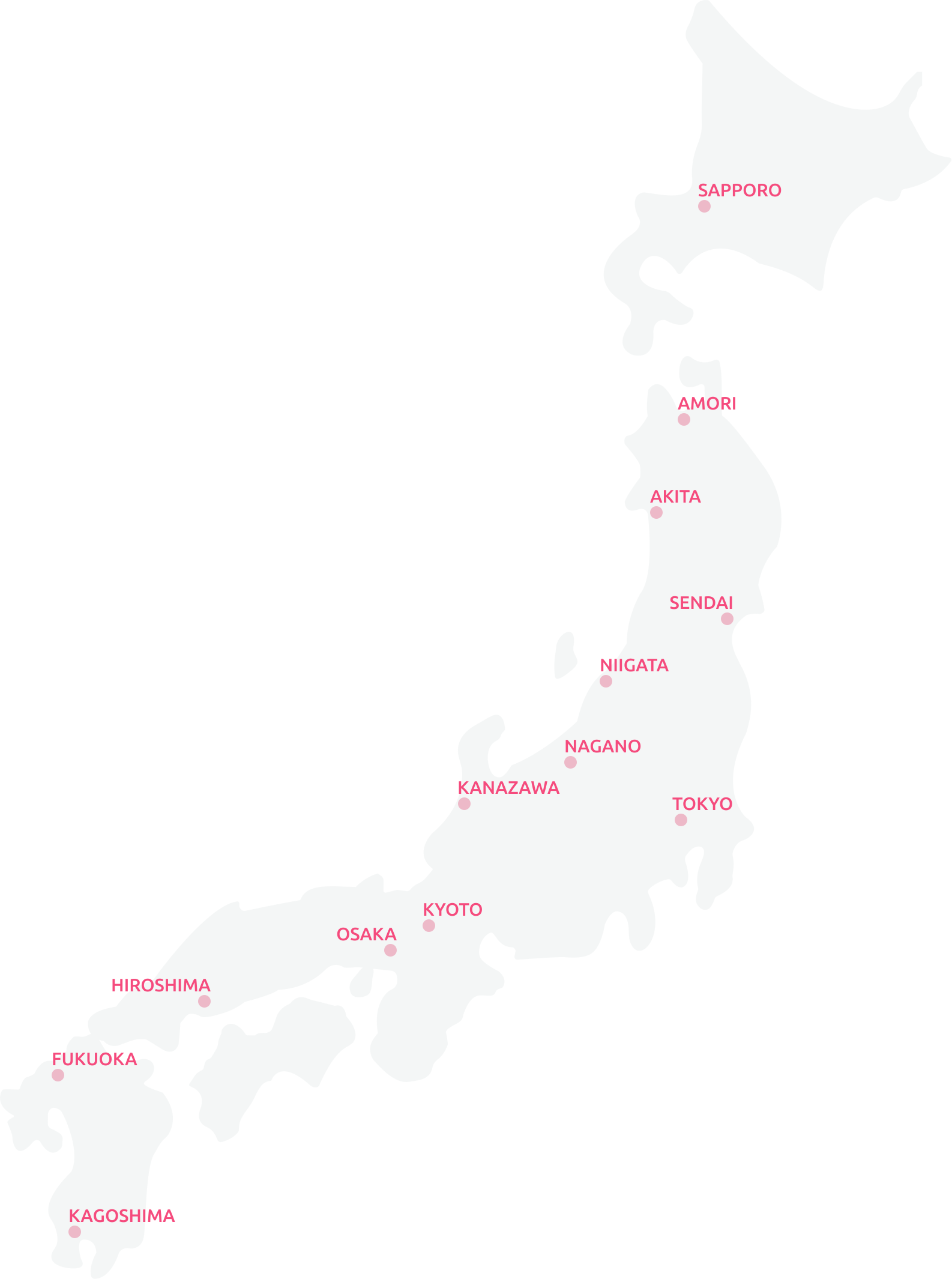

Early May
- Sapporo: first blossom 1 May, full bloom 6 May
Mid to late April
- Nagano: first blossom 11 April, full bloom 16 April
- Akita: first blossom 17 April, full bloom 22 April
- Aomori: first blossom 22 April, full bloom 26 April
Early April
- Kanazawa: first blossom 3 April, full bloom 8 April
- Sendai: first blossom 8 April, full bloom 13 April
- Niigata: first blossom 8 April, full bloom 13 April
Late March
- Fukuoka: first blossom 22 March, full bloom 31 March
- Tokyo: first blossom 24 March, full bloom 31 March
- Hiroshima: first blossom 25 March, full bloom 3 April
- Kyoto: first blossom 26 March, full bloom 4 April
- Kagoshima: first blossom 26 March, full bloom 5 April
- Osaka: first blossom 27 March, full bloom 4 April
The cherry blossom forecast for 2027
There are already concrete dates for 2027 online that are not a forecast at all. They are nothing more than averages with a year in the headline. There is no forecast for 2027 yet. The Japanese weather agency JMA stopped issuing its own blossom forecast in 2010 and has only observed since then. Today the forecasts come from private weather companies, above all the Japan Meteorological Corporation. The usual schedule looks like this:
- Mid December: first forecast from the Japan Meteorological Corporation. For 2026 it came on 18 December
- Early January: the first update for 2026 came on 8 January
- February: the English language travel portals follow suit
- From early March: weekly updates, and only now does it get really precise
My advice: book flights and accommodation based on the averages above and do not expect to hit the perfect date. The forecast only becomes reliable about one to two weeks before the blossom opens, and by then every sensible place to stay is long gone.
The finest cherry blossom spots in Japan
The choice is huge, Japan even keeps an official list of the 100 best cherry blossom places. So here is only what you can realistically fit into a normal trip, sorted by region.
Cherry blossom in Tokyo
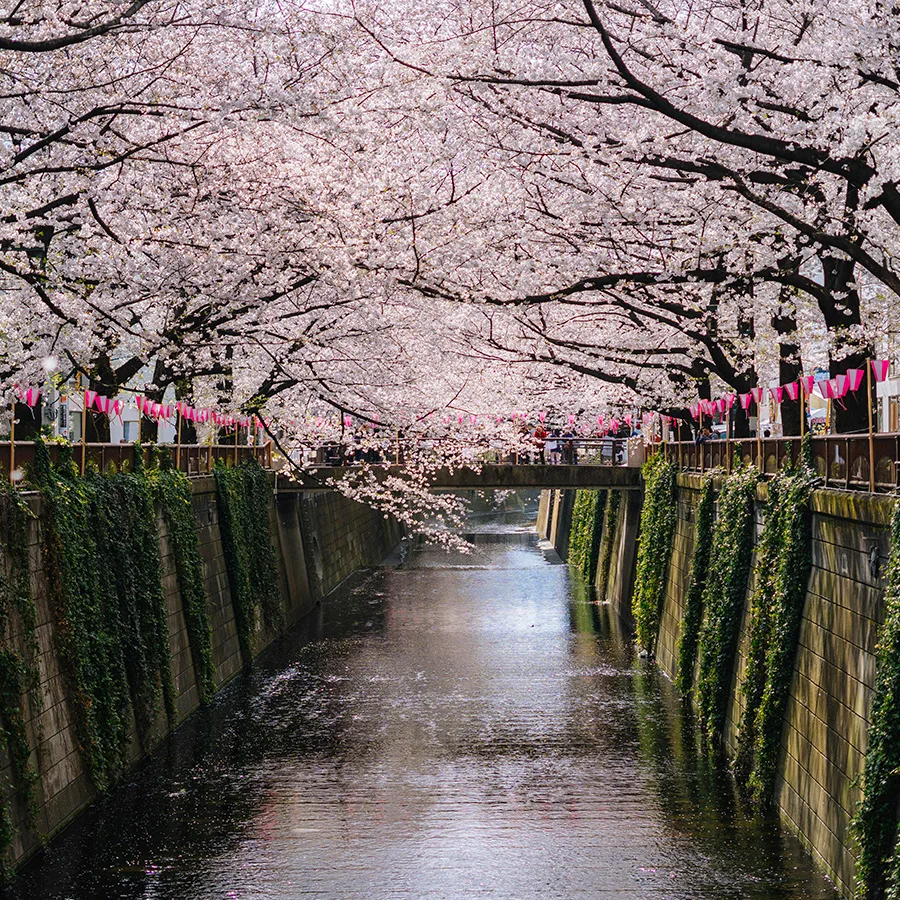
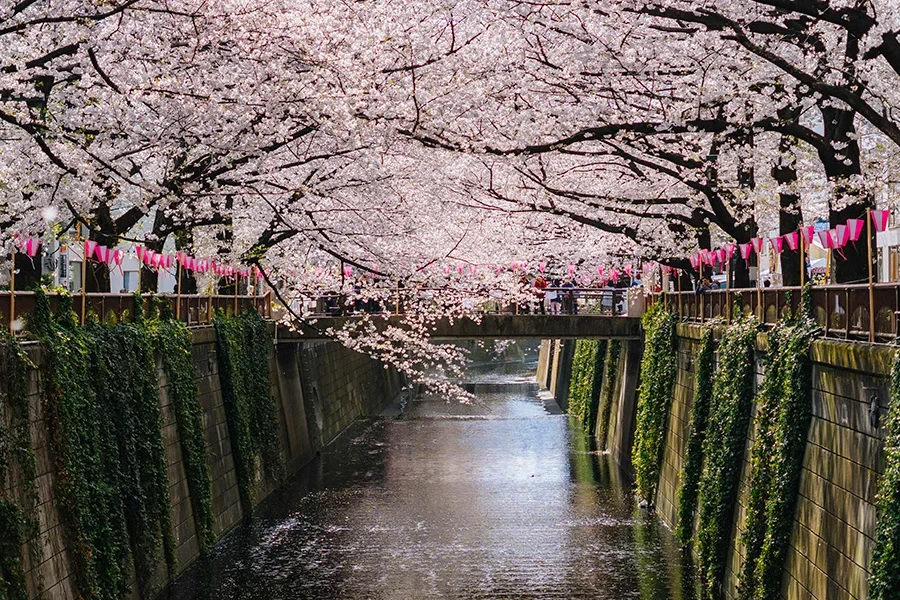
- Meguro River in Nakameguro: almost four kilometres of trees above the canal, lit up in the evening. For me the most atmospheric spot in the city
- Ueno Park: over 1,000 trees around Shinobazu Pond, loud, packed and for exactly that reason the best hanami mood
- Shinjuku Gyoen: different varieties, which is why the blossom here lasts into late April. The rescue if you are running late
- Sumida Park: blossoms and the Skytree in the same frame
- Yoyogi Park: the place for the boisterous version, alcohol is expressly allowed here
What else you should not miss in Tokyo is here: Top 5 Must See in Tokyo
Cherry blossom in Kyoto
- Philosopher’s Path: a good two kilometres of canal between Ginkakuji and Nanzenji, lined with cherry trees
- Maruyama Park: the great weeping cherry, floodlit in the evening
- Arashiyama: the Togetsukyo Bridge with blossoms along the river and the mountains behind
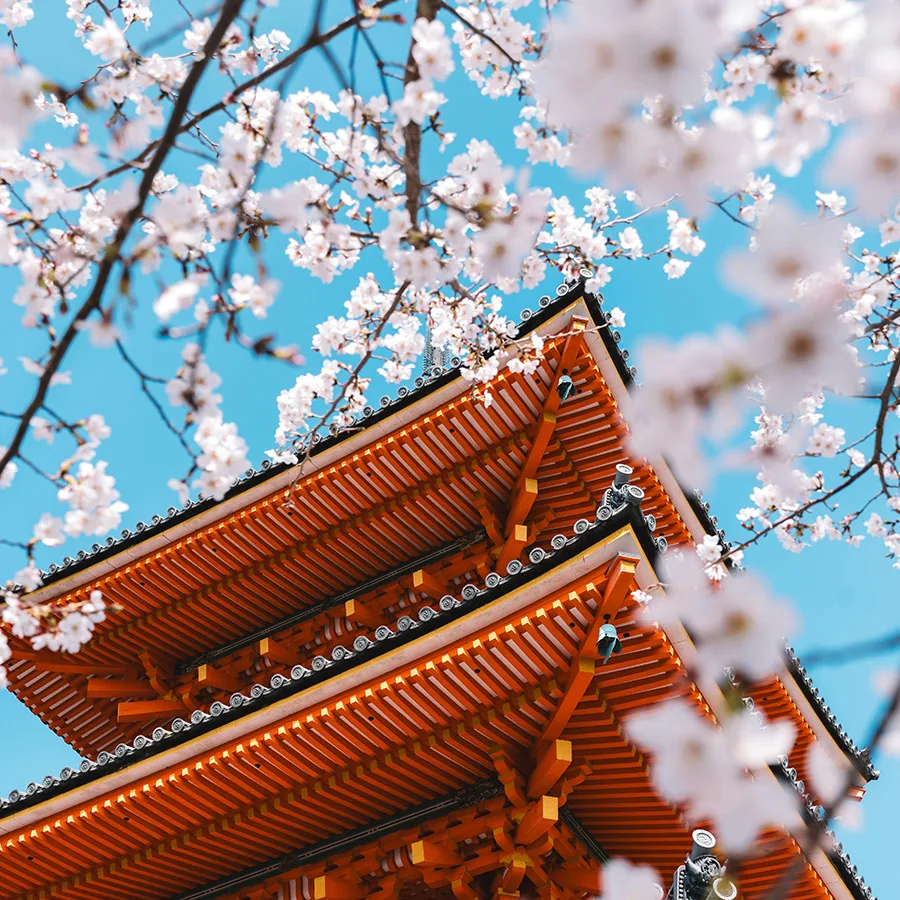
- Kiyomizudera: a temple in a sea of blossom, lit up in the evening. Picnicking is not allowed here though
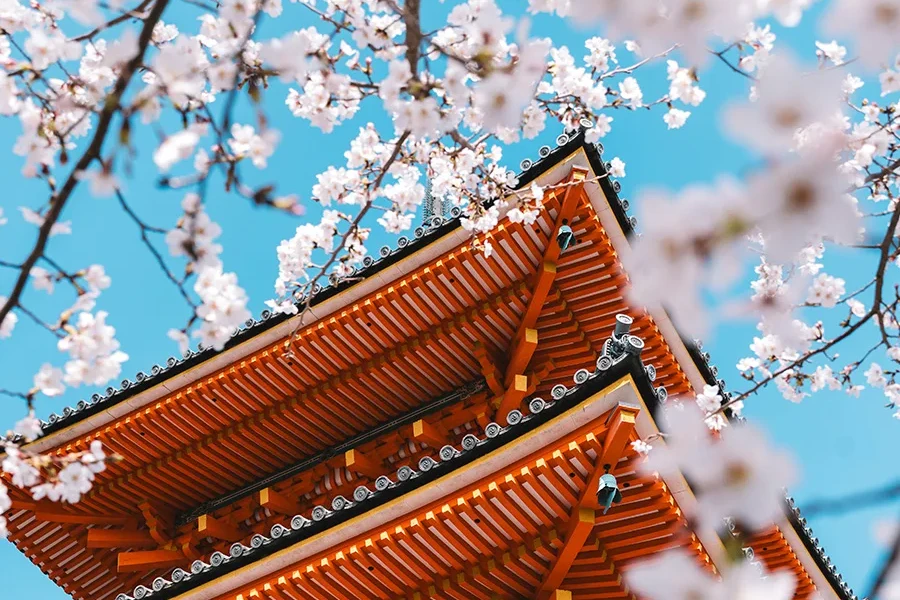
Kansai: Osaka, Nara and Himeji
- Osaka Castle: over 4,000 trees around the castle
- Okawa riverside in Osaka: a 4.2 kilometre riverside walk through Kema Sakuranomiya Park with around 4,800 trees, right in the middle of the city
- Mint Bureau: right next door, 560 metres with over 130 rare varieties. It opens for about one week a year at full bloom, and the dates are announced at short notice
- Yoshinoyama near Nara: around 30,000 trees on a mountainside, the birthplace of hanami. Because the slope blooms in stages, you get a wider time window here
- Himeji Castle: the white castle behind pink trees, doable as a day trip from Osaka or Kyoto
- Nara Park: over 1,600 trees with the free roaming deer in between
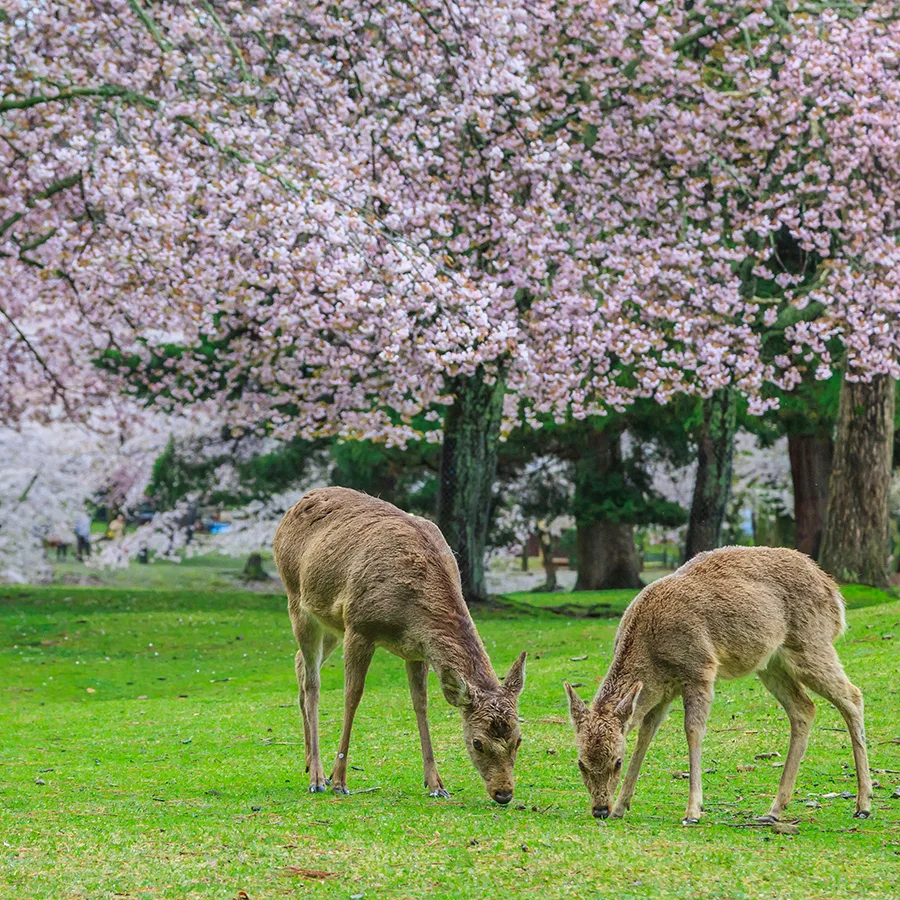
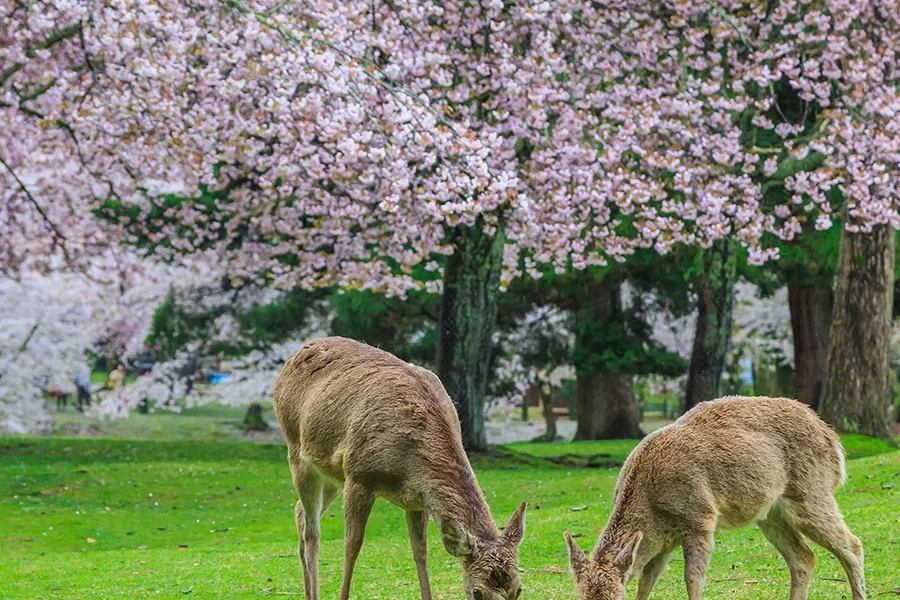
Further south: Hiroshima and Kyushu
- Hiroshima Castle: over 450 trees right along the moat
- Miyajima: blossoms and the red gate in the water
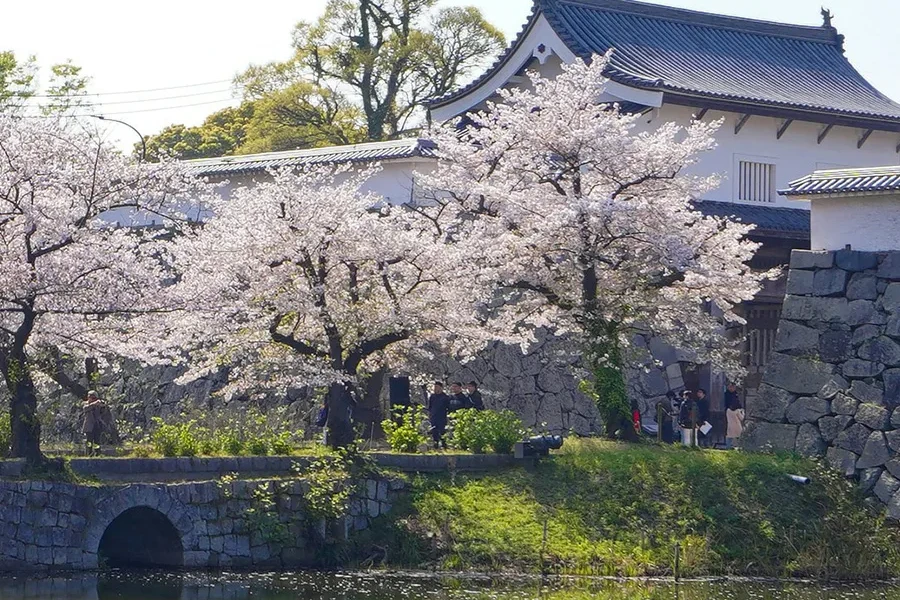
- Maizuru Park in Fukuoka: over 1,000 trees at the castle ruins, a classic picnic spot
- Kumamoto Castle: pink blossoms in front of the black castle, floodlit in the evening
Kyushu usually blooms a few days before Tokyo. How to travel the island is here: Kyushu Road Trip
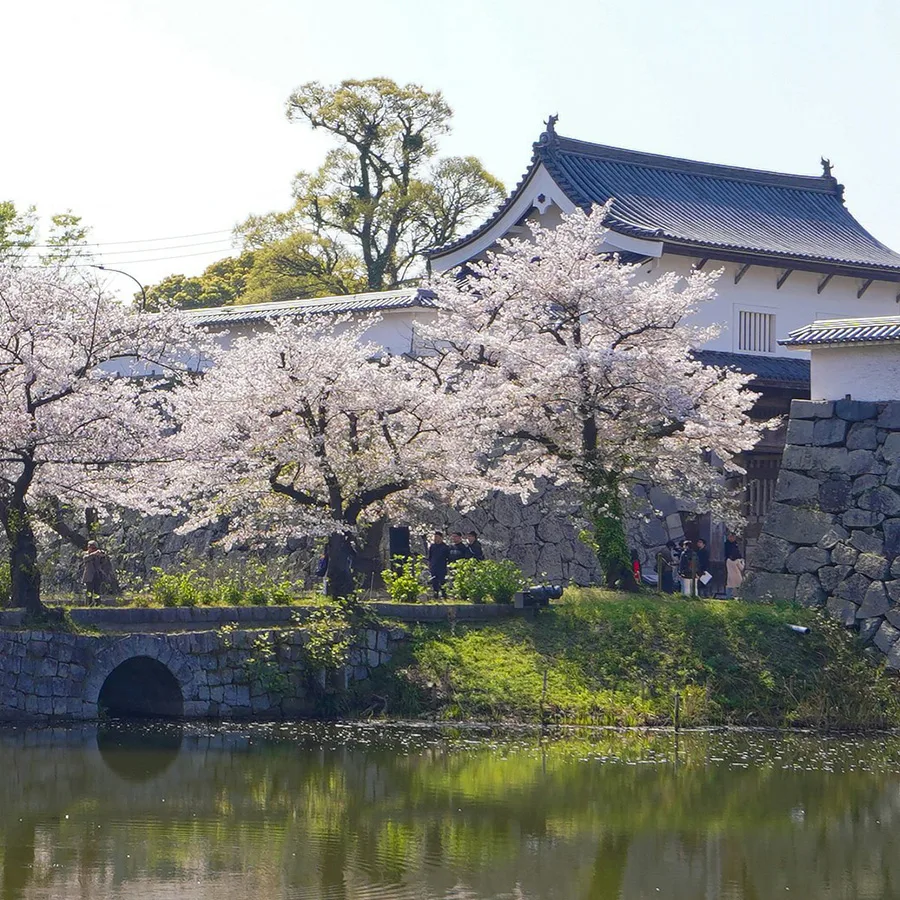
Central Japan and the Alps
- Matsumoto Castle: over 200 trees in front of one of the few castles preserved in their original form
- Takato in Nagano: over 1,500 trees of a variety of its own with a reddish blossom
- Takada Park in Niigata: one of the three most famous places for yozakura, the illuminated night blossom
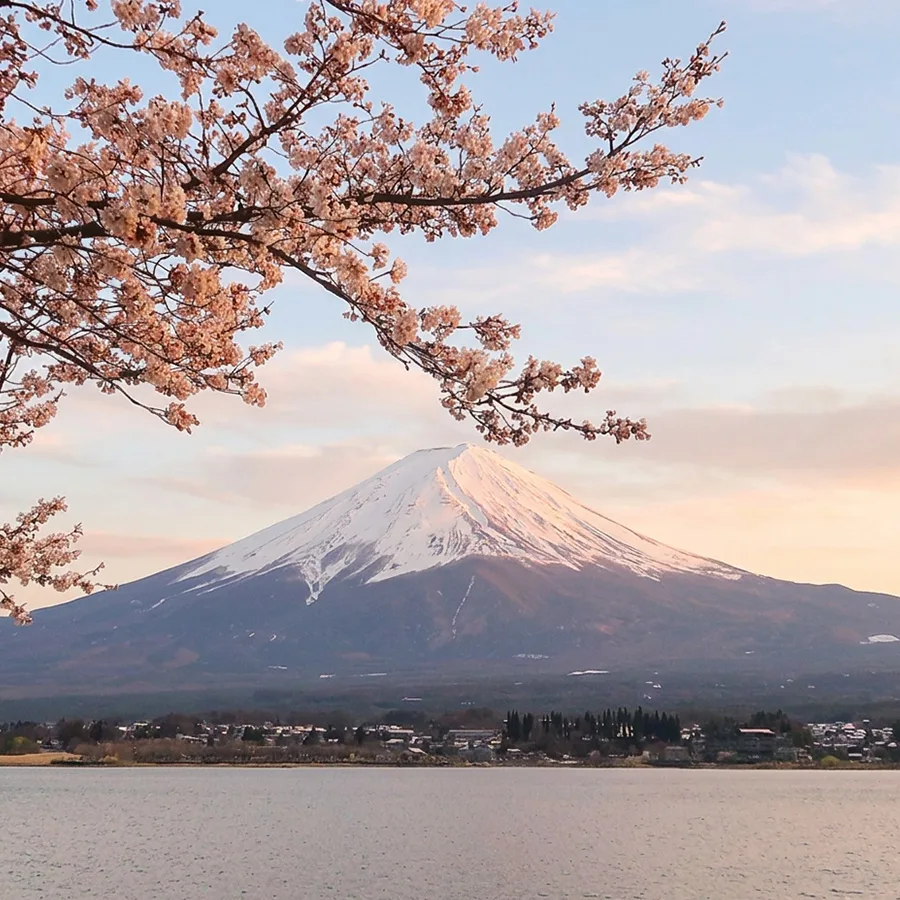
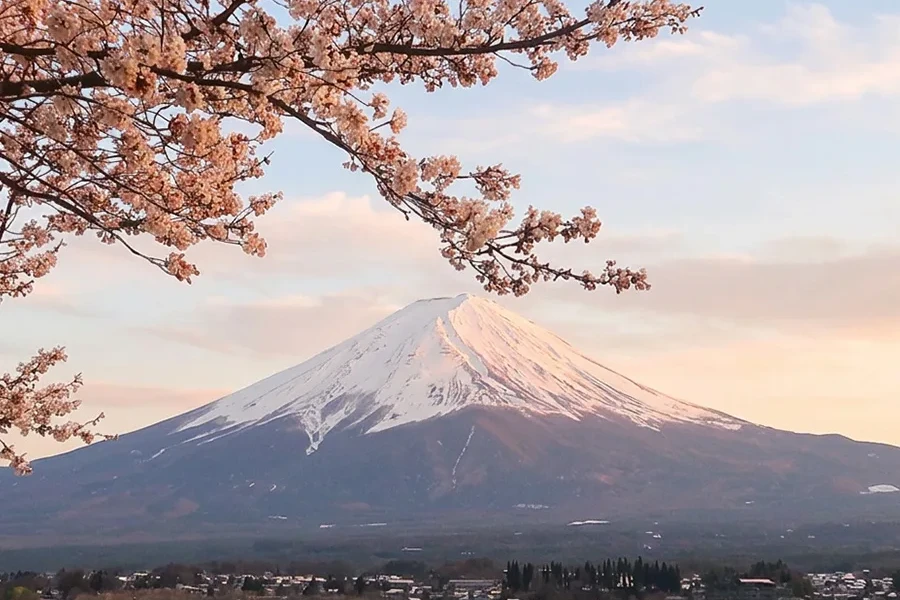
- Kawaguchiko: blossoms with Mount Fuji behind them, and because of the altitude not until mid April
The north: Tohoku and Hokkaido
- Hirosaki Castle in Aomori: over 2,400 trees, plus the carpet of petals on the moat. The best known spot in the north
- Kakunodate in Akita: weeping cherries in front of old samurai houses, lit up in the evening
- Tsutsujigaoka Park in Sendai: old weeping cherries and lively hanami parties
- Goryokaku in Hakodate: around 1,600 trees around the star shaped fortress, best seen from above
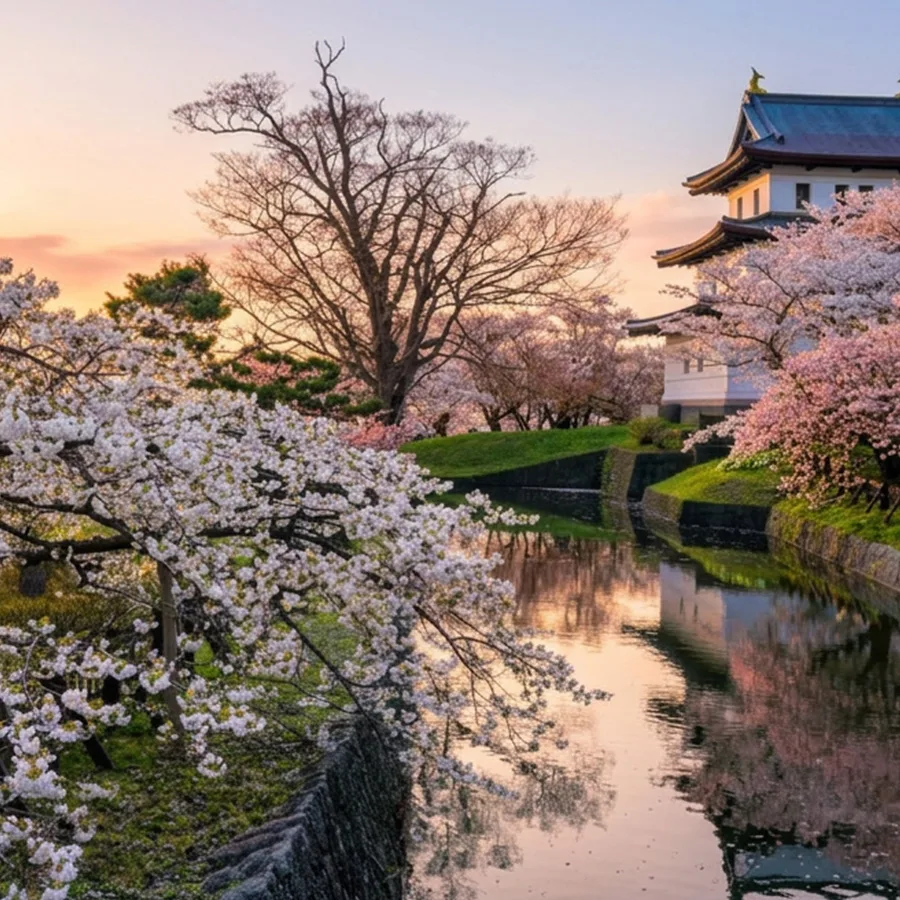
- Matsumae Park: around 250 different varieties that bloom one after the other. The blossom stretches over a whole month here
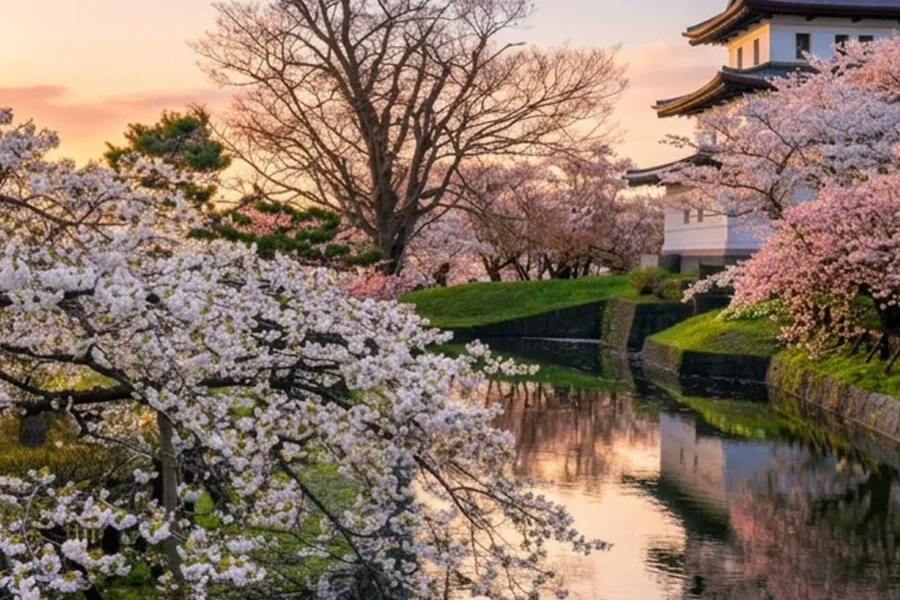
Hanami: how Japan celebrates
Everything around the cherry blossom in Japan comes down to one word: hanami, which means looking at blossoms. You sit down under a blooming tree, eat, drink and enjoy nature. Whole companies have their picnic under the trees. Not every park allows celebrating though. While things can get pretty loud in Yoyogi Park in Tokyo, picnicking at Kiyomizudera in Kyoto is banned completely. Best to check before you set off.
Tip: at blossom time the konbini around the parks stock their own sakura ranges!
Three terms around the cherry blossom in Japan you should know
- Sakura is the cherry blossom itself. Around this time of year sakura is everywhere, from sakura mochi to sakura beer.
- Mankai is full bloom and the moment everyone is waiting for.
- Yozakura is the blossom at night. Many parks light up their trees.
How to plan your trip
Book early, earlier, earliest!!!
For the sakura the good places to stay are gone months ahead and the prices are outrageous. Best book with free cancellation as soon as your travel window is set, and correct later if the forecast says something else.
Commit to an anchor week
For the cherry blossom in Japan on the classic route Tokyo, Kyoto and Osaka that is the week around 30 March. Going by the averages, that catches full bloom or the days just after it in all three cities. Plan seven to ten days so you have room to move. If it does not work out where you planned, you follow the wave. That is exactly the advantage of a cherry blossom season that stretches over three months from Okinawa to Hokkaido. A ready made two week route is here: Japan itinerary for 2 weeks
Keep a spare day
Leave one day open in your route. If Kyoto is not blooming yet, you simply head to Himeji or Nara on the spur of the moment. If Tokyo is already done, you take the shinkansen north. How the trains work is here: Traveling through Japan with the shinkansen, and whether the Japan Rail Pass pays off for your route is worth working out beforehand.
Pack warm clothes
In late March Japan is still rather cold, often around 5 degrees at night. If you want to see the illuminated night blossom, it can get bitterly chilly. A rain jacket is a must as well for the wet spring. And if this is your first trip to Japan: what else you should prepare is here: The first time in Japan
Insider tips
Go to the night blossom
Many parks and temples light up their trees after sunset, which is called yozakura. There are fewer people and the mood is completely different from the daytime. Along the Meguro River in Tokyo and at Kiyomizudera in Kyoto it is particularly worth it.
Shinjuku Gyoen as a backup
More than a dozen different cherry varieties grow in Shinjuku Gyoen, and they bloom one after the other. If you are running late and the petals are already falling everywhere else, the blossom here lasts into late April. Up north, Matsumae Park on Hokkaido also has an extremely long season that runs for a whole month.
Better a week too late than too early
Arrive too early and you are looking at bare trees with nothing you can do about it. Arrive a few days late and you are standing in a shower of petals with a pink carpet on the ground. So if you have to choose, put your date behind the forecast full bloom rather than in front of it.
Related Travel Tips
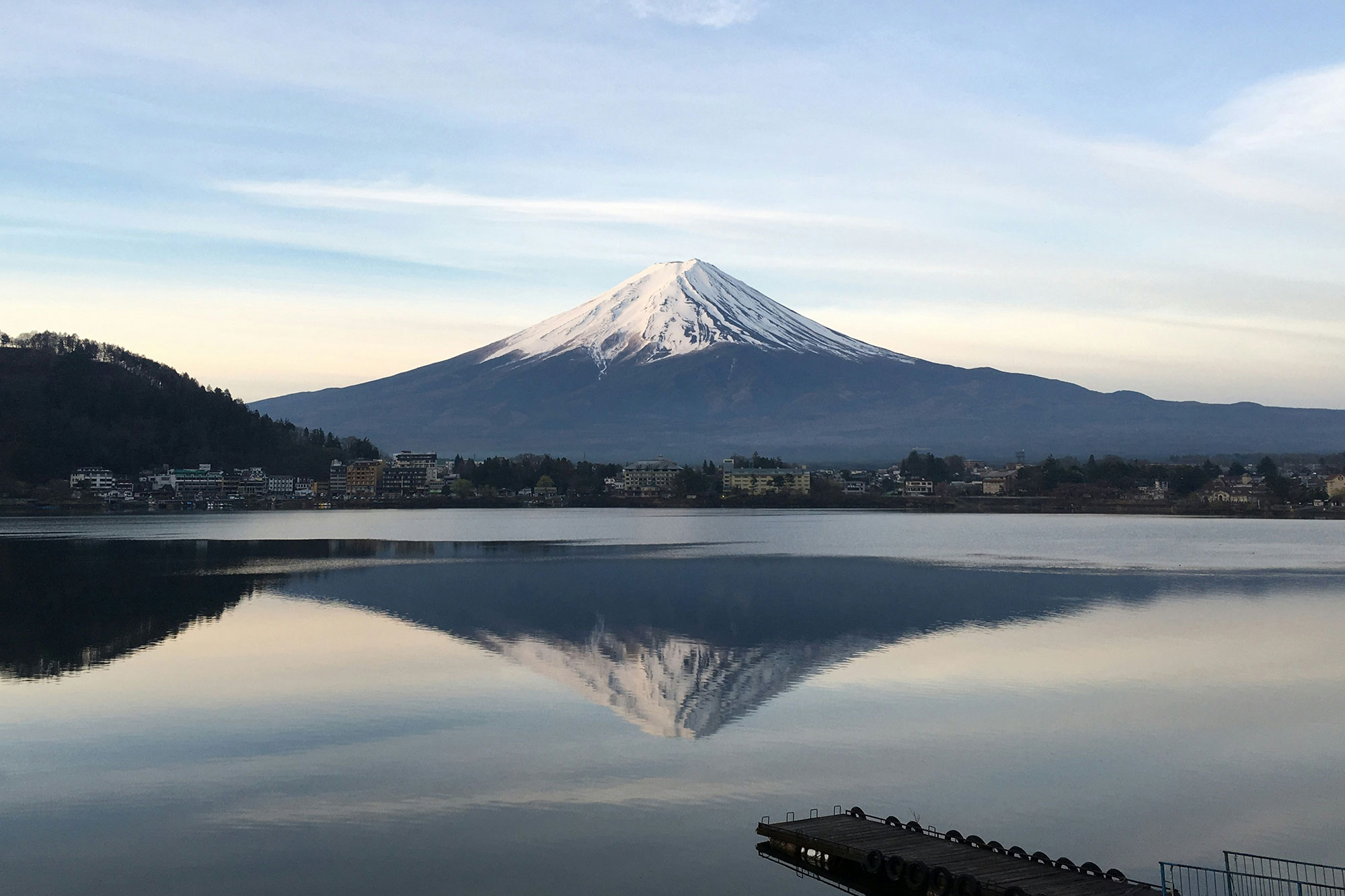
The first time in Japan
I can already tell you, it won't be your last time in Japan, because once you've traveled to Japan, you will come back again.
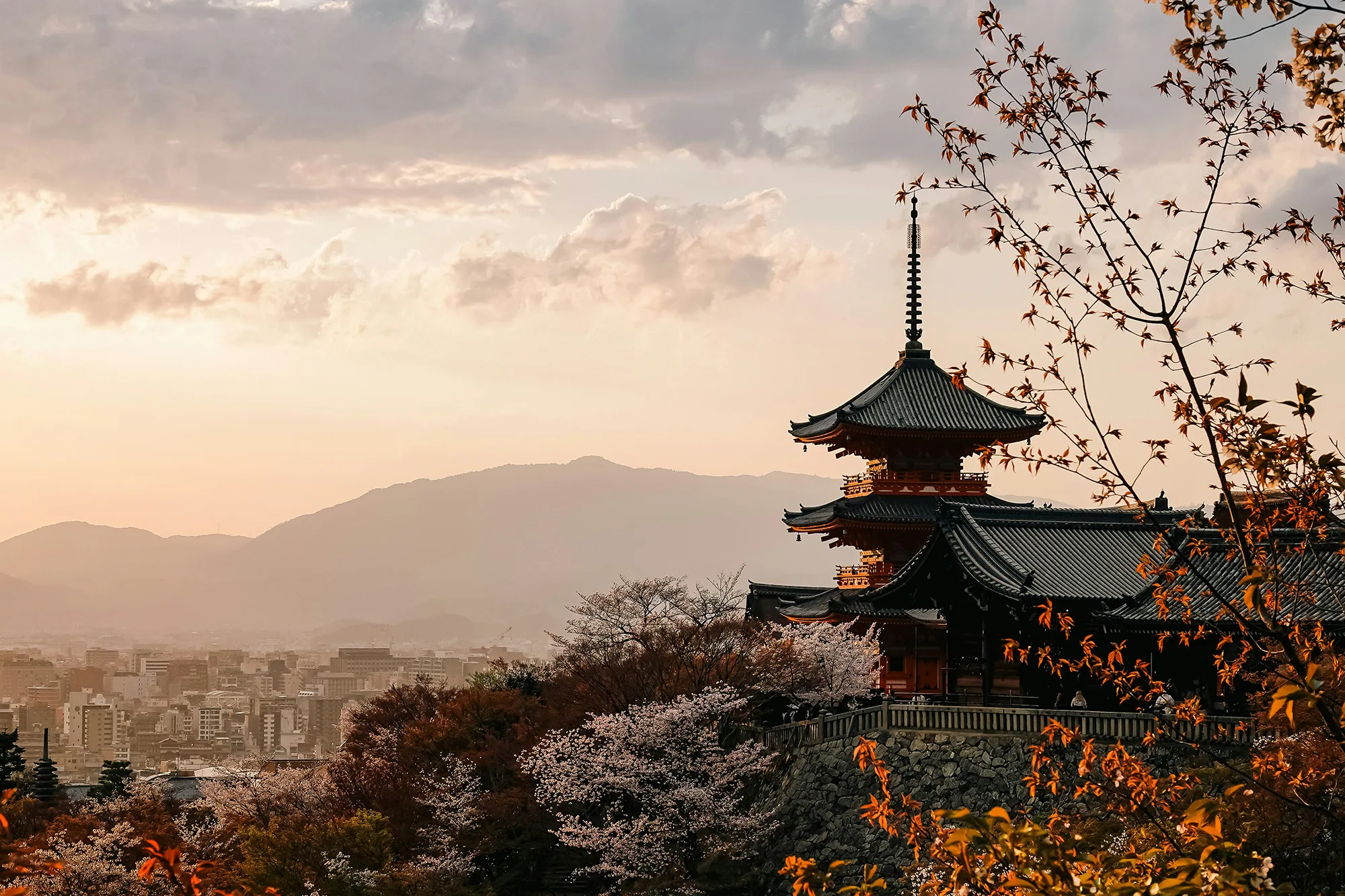
Japan Itinerary: 2 to 3 Weeks for Your First Trip
Japan Itinerary: Three options for your first trip from 2 to 3 weeks across Honshū, with Tokyo, Kyoto, Osaka, time per city and day trips

Traveling through Japan with the Shinkansen
Traveling through Japan on the high-speed Shinkansen train is a highlight. Here you'll find all the information about ticket purchase and riding the Bullet Train.
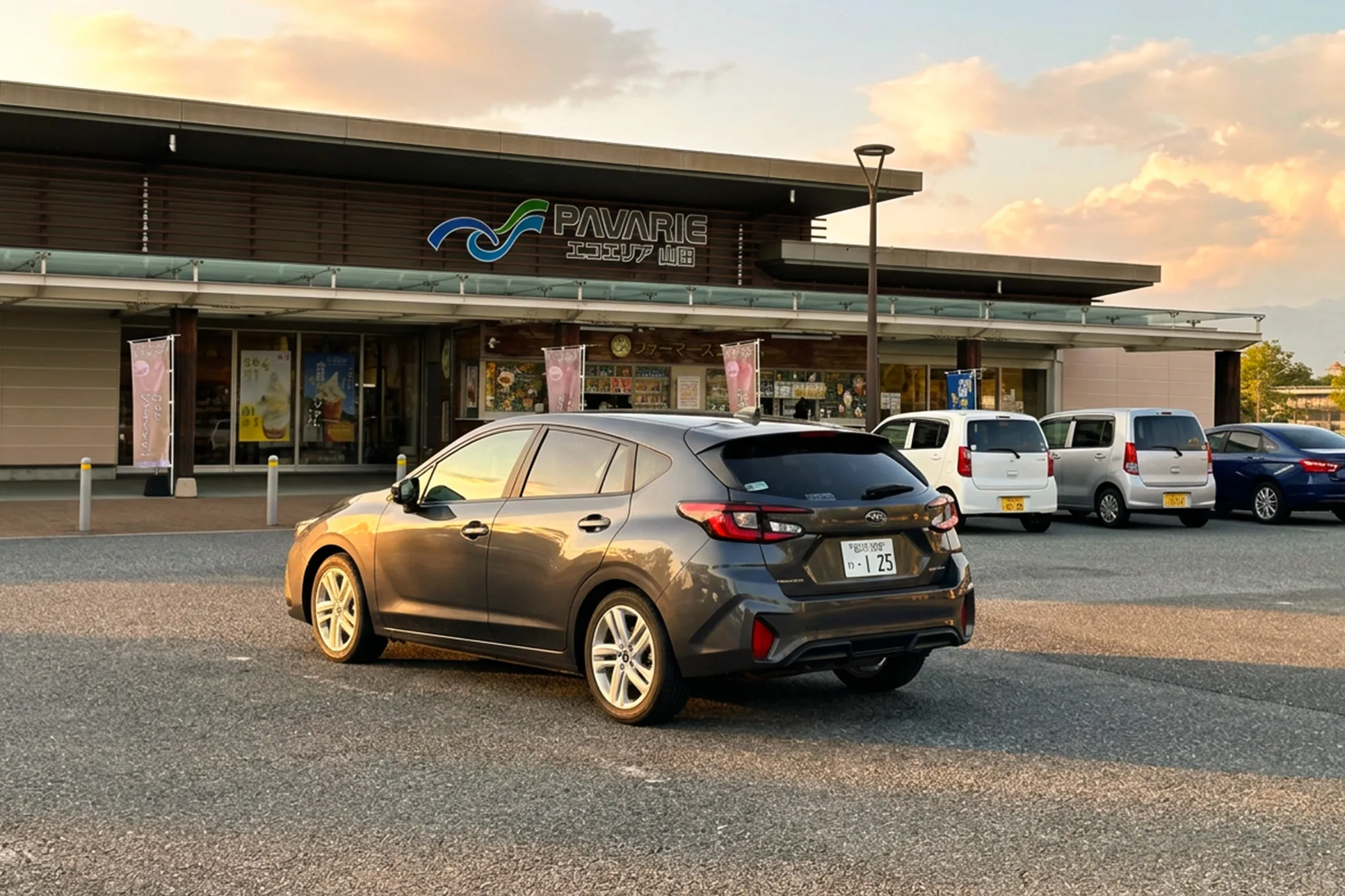
Rental Car in Japan: Driving Licence and Driving Tips
Which driving licence you need in Japan and what to watch out for when booking, driving on the left, tolls and parking
Questions, tips or notes?
Write a comment or send me an E-Mail…