


Tipping in Japan is one of the few travel questions with a crystal clear answer.
You do not tip. Not in a restaurant, not in a taxi, not in a hotel.
That is neither stinginess nor rudeness, it is exactly what is expected. Here is why that is the case, what happens if you try anyway, the one exception there is and how to say thank you instead.
Why there is no tipping in Japan
With tipping in Japan it helps to understand the background. In Japan good service is not an extra that you pay for afterwards, it is the norm. That is what sits inside the word omotenashi. It describes the attitude of anticipating what a guest needs before they have to ask for anything. Putting money down for that turns something taken for granted into a service that has to be rewarded separately. To many Japanese that feels wrong.
On top of that, service staff in Japan are paid a regular wage and do not depend on tips the way they do in the USA, for example. The Japanese tourism agency JNTO puts it to visitors in plain words as well: tipping is not customary in Japan.
What happens if you tip anyway
No need to worry, nothing dramatic happens. A tip in Japan tends to be read as a mistake. As a rule the person in front of you will not know how to react without being impolite. If you leave money on the table, the server will come running after you because they think you forgot it. Leave it in the hotel room and it simply ends up in lost property.
What really stands out is putting down loose coins or notes, or pressing money into somebody’s hand. Cash in Japan is not passed from hand to hand anyway, it goes on a small tray at the till.
In short: you are not offending anyone, but you are making the moment unnecessarily complicated for everybody involved.
Tipping in Japan by situation: restaurant, taxi, hotel
Restaurant and izakaya
In restaurants you do not pay at the table but at a separate till. Either you pay in advance at a ticket machine and hand the ticket in at the counter, or you get the bill with your food and settle it at the till by the exit. In izakayas you are served a small appetiser without asking for it, the otoshi. It turns up on the bill later, usually at a few hundred yen per person. That is not a hidden tip and not a rip off, it is a table charge that everybody pays.
Taxi
You pay exactly the amount on the meter and get your change back down to the last yen. Rounding up is not customary and is more likely to land you in a discussion. More on how that works in practice: Taking a taxi in Tokyo
Hotel
Neither for the porter nor for housekeeping. In a normal city hotel or capsule hotel there is simply no culture for it. Whatever you leave in the room is treated as lost property, not as a gift.
Tour guides and private drivers
This is the one area where international habits are slowly arriving. With a privately booked guide a tip will usually not be turned down, but it is not expected here either. A small gift from home often goes down better than money.
Service charge and tax on the bill
The fact that you do not tip does not mean nothing gets added to the bill. Two items are worth knowing:
- Service charge: upmarket restaurants, hotel restaurants and bars often add 10 to 15 %. It appears as a line of its own on the bill. In ordinary restaurants it does not exist.
- Consumption tax: 10 % if you eat in. Some menus show prices without tax, in which case it is added at the end. A look at the small print pays off.
If you see a service charge on the bill, the tipping question is settled for good. The service has been paid for. How best to settle the bill is here: Paying in Japan
The one exception: kokorozuke at a ryokan
There is exactly one situation in which a tip is given, and it is called kokorozuke. It is a small token for the nakai-san, the attendant who looks after your room personally at a traditional ryokan. She rolls out your futon and serves dinner. It works completely differently from tipping at home though:
- You give it on arrival, not when you leave. So it is not a reward but more of a request to be looked after well.
- The amount is usually 1,000 to 3,000 yen per person
- It is always handed over in an envelope (pochibukuro). You get one for around 100 yen at a konbini. Bare cash is a no go! It is also always passed with both hands and an osewa ni narimasu, which roughly means thank you for looking after us.
My advice: only do this if you are really staying at a classic ryokan with personal service, and even there it is voluntary. In a modern hotel or a ryokan without its own nakai-san you simply leave it. Nobody expects it, and without an envelope it quickly turns into exactly the awkward situation you wanted to avoid.
How to say thank you instead
The good news: instead of tipping in Japan what counts is appreciation, and that is free.
A clear thank you with gochisousama deshita as you leave a restaurant is what a chef wants to hear. Literally it means it was a feast. A hinted bow on your way out also carries more weight than any note. Leave your place tidy. Push the dishes together, take your rubbish with you, put the shoes straight. In Japan that is a real compliment.
Insider tips
Always put the money on the tray
There is a small tray at almost every till. That is where you put your money instead of pressing it into the hand of the person serving you, and that is where your change comes back. It is not a decorative object, it is the normal way to pay. It stands out immediately when you skip it.
Digital tipping in Japan does exist, in apps
Since 2024 taxi apps such as GO and Uber plus a few delivery services have offered an optional tip. You can usually give a few hundred yen there. So far it is a marginal phenomenon.
How useful was this travel tip?
Related Travel Tips
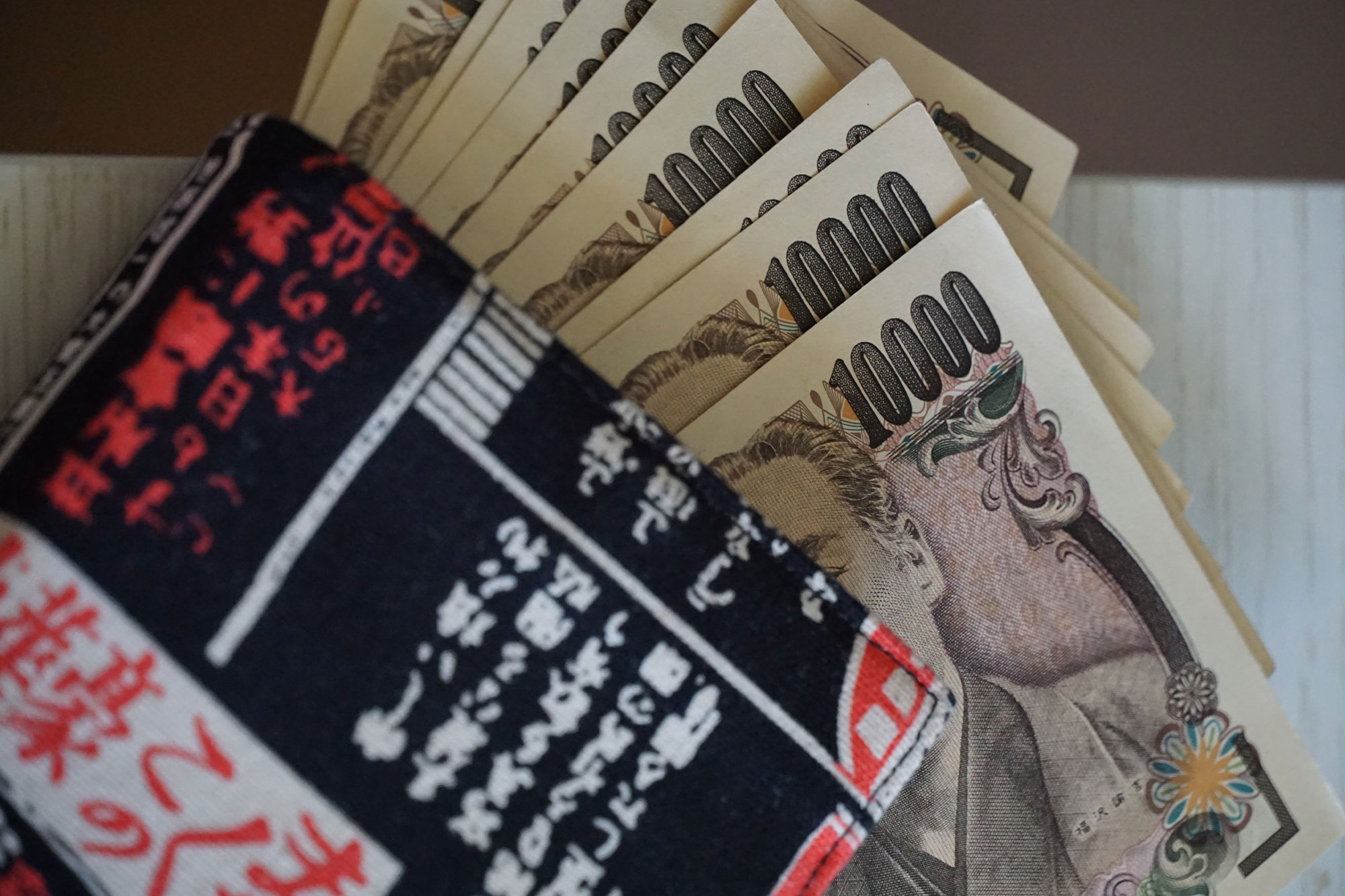
Pay in Japan
In Japan, cash is still the preferred payment method, especially in rural areas. In Tokyo, it’s a different story. Here, almost everything can be paid for with a card.
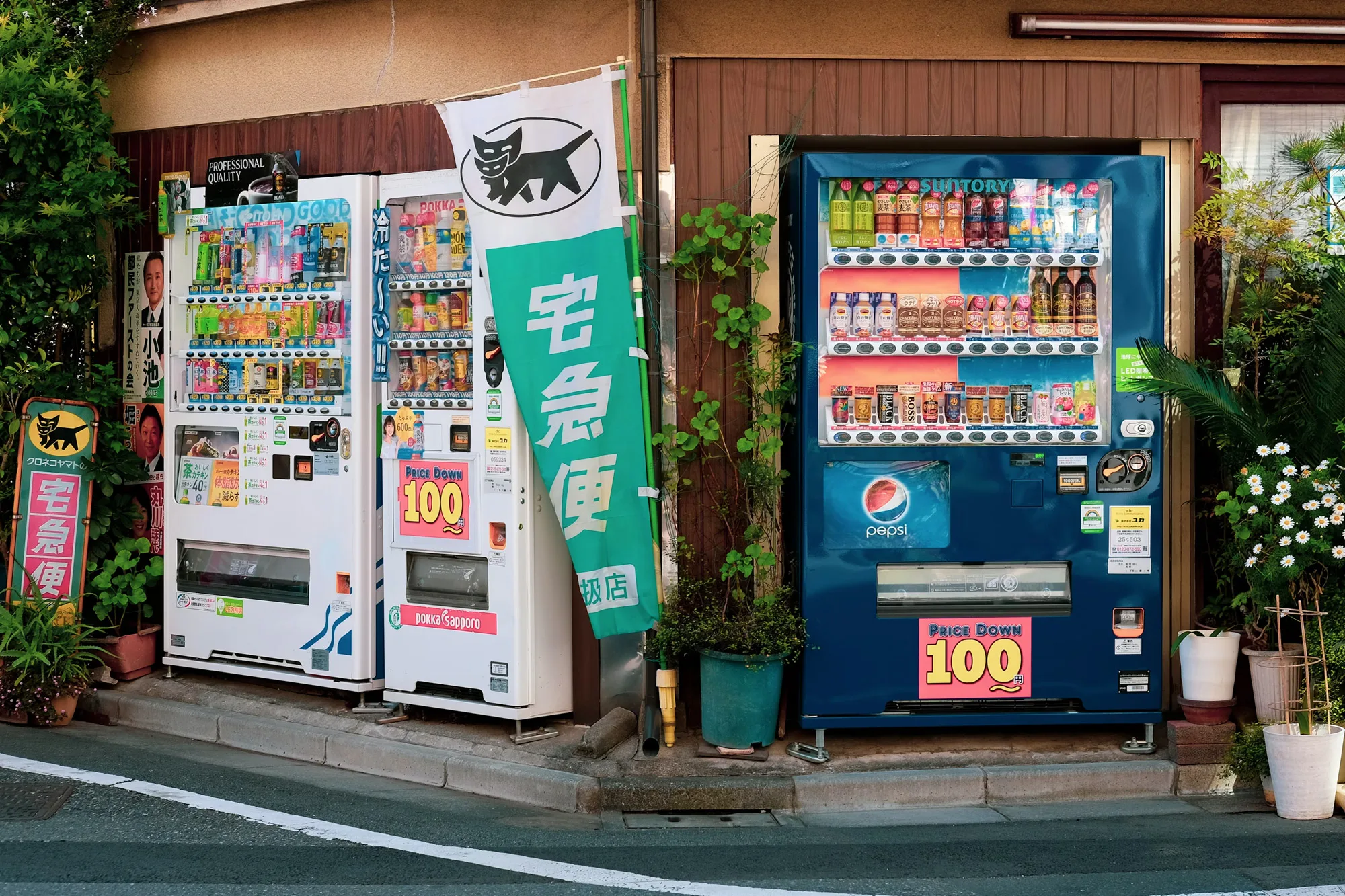
Budget Japan Trip – Money Saving Tips
A Japan vacation doesn't have to cost a fortune! Make your Budget Trip a reality with these tips for tax free shopping, flights, food, and hotels.
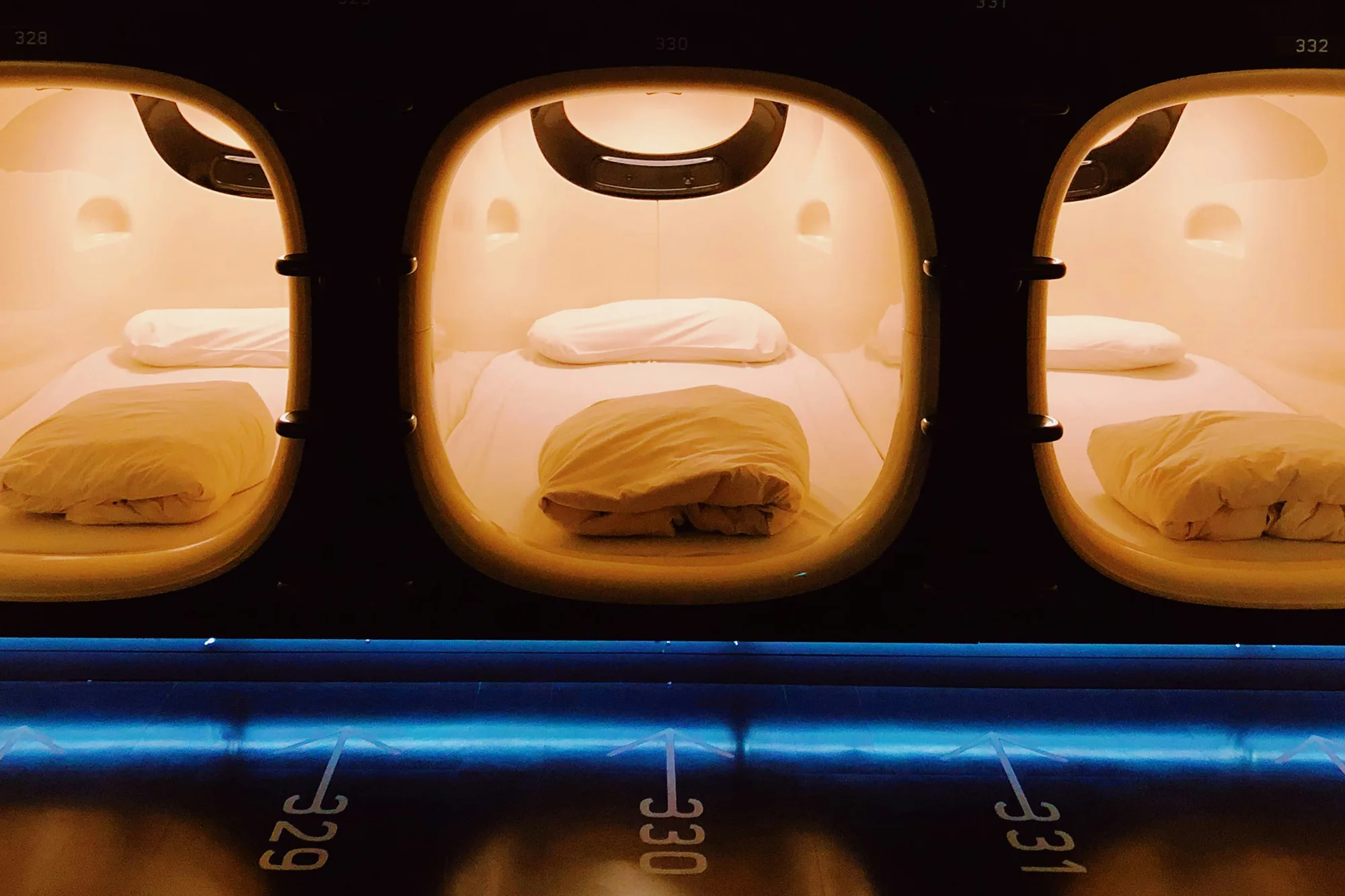
Capsule Hotel in Tokyo: Low Budget Accommodation in Japan
Capsule hotel in Tokyo with costs, how it works, what to watch out for when booking and my honest experience of a low budget night in the capsule
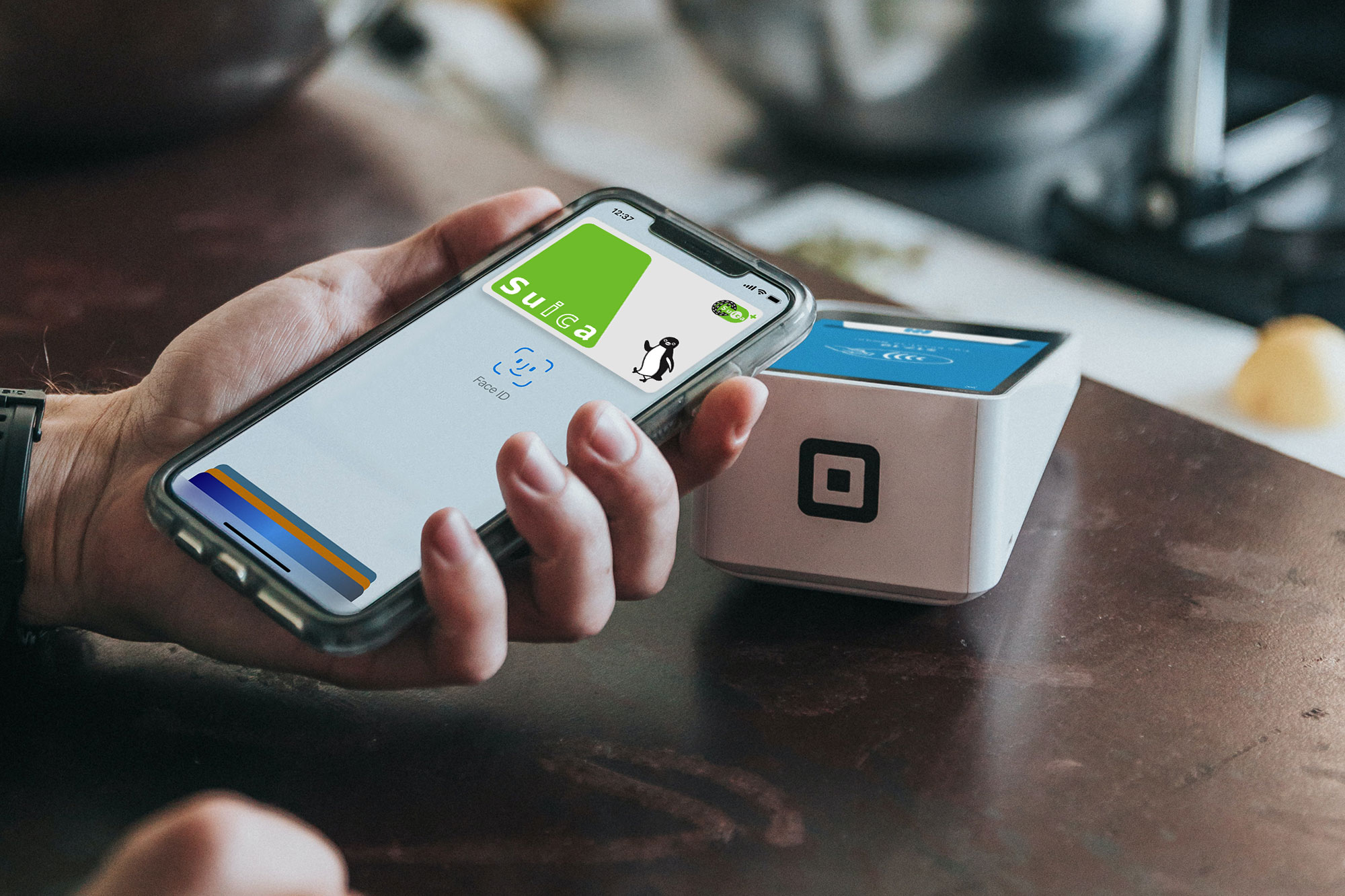
Suica, PASMO and ICOCA – Prepaid cards in Japan
Suica, PASMO, and ICOCA are prepaid cards used in Japan for public transportation as well as for payments in stores and vending machines.
Questions, tips or notes?
Write a comment or send me an E-Mail…